
Understanding Cataract Surgery and Why Recovery Time Matters
Cataract surgery is a widely performed eye procedure designed to restore clear vision by removing the clouded natural lens and replacing it with an artificial one. For many patients, the procedure itself is quick, but healing afterward plays a critical role in achieving the best visual results. Cataract surgery recovery time Bicol is a common concern because patients want to know how soon they can return to work, household responsibilities, and daily routines. Recovery also affects how well the eye adapts to the new lens and how quickly vision stabilizes. Patients who understand the recovery process tend to follow instructions more carefully and experience fewer complications. Knowing what to expect reduces anxiety and helps individuals prepare both physically and emotionally. Recovery time is not just about waiting but about actively supporting the healing process through proper care and awareness.
Factors That Influence Cataract Surgery Recovery Time in Bicol
Several factors can affect how quickly the eye heals after cataract surgery. One important consideration is the type of procedure used, whether it is traditional phacoemulsification or laser-assisted surgery. Overall eye health also plays a role, especially if conditions such as glaucoma or diabetic eye disease are present. Age and general health can influence healing speed, as younger and healthier patients may recover slightly faster. The skill and experience of the ophthalmologist, along with the quality of postoperative care, contribute significantly to recovery outcomes. Lifestyle factors such as smoking, exposure to dust, and time spent outdoors may also affect healing. In Bicol, environmental conditions like humidity and frequent outdoor activity can require extra attention to eye protection during recovery.
What Happens Immediately After Cataract Surgery
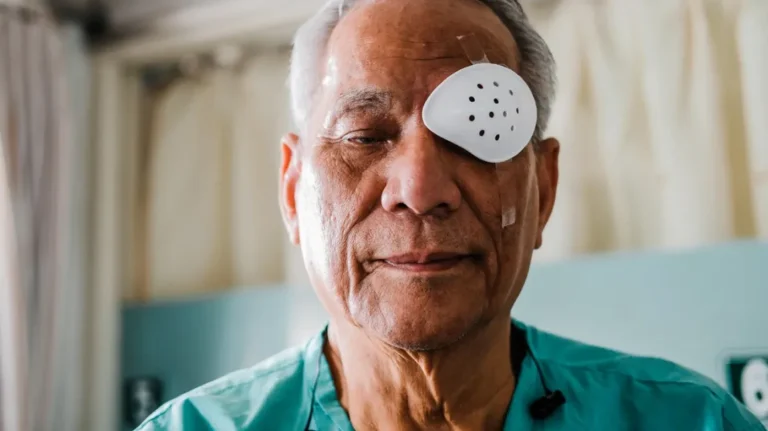
Right after cataract surgery, patients usually notice that their vision is blurry or hazy, which is a normal part of the healing process. The eye may feel itchy, mildly sore, or sensitive to light during the first few hours. Many clinics advise patients to rest and avoid rubbing the eye to prevent irritation or infection. A protective eye shield is often used, especially during sleep, to keep the eye safe. It is common for patients to be accompanied by a family member because driving is not recommended immediately after surgery. Eye drops are typically prescribed to reduce inflammation and prevent infection. These early hours are crucial in setting the foundation for a smooth recovery.
Cataract Surgery Recovery Timeline: Day by Day and Week by Week
During the first 24 hours after surgery, patients often notice gradual improvement in vision, although some blurriness may persist. Mild discomfort usually decreases within a day or two, and many people are surprised by how manageable the recovery feels. Within the first week, vision often becomes clearer, and light sensitivity starts to lessen. Patients are usually allowed to resume light activities but are advised to avoid heavy lifting or strenuous movements. By the second to fourth week, the eye continues to heal, and visual stability improves further. Follow up visits help ensure that healing is on track and that no complications are developing. After about one month, most patients reach a level of vision that feels natural and comfortable for daily life.
Normal Symptoms Versus Warning Signs During Recovery
Some symptoms during cataract surgery recovery time Bicol are completely normal and expected. These include mild redness, slight swelling, watery eyes, and temporary glare or halos around lights. These sensations usually fade as the eye heals and should not cause alarm. However, there are warning signs that require immediate medical attention. Severe pain, sudden vision loss, increasing redness, or discharge from the eye are not normal. Persistent nausea or sensitivity that worsens instead of improves should also be checked. Understanding the difference between normal healing and potential problems helps patients act quickly when necessary.
Post Surgery Care Tips to Support Faster Healing
Proper aftercare is essential for a smooth recovery and better visual outcomes. Patients are advised to follow their doctor’s instructions closely, especially regarding eye drops and activity restrictions. Simple daily habits can significantly support healing and reduce the risk of complications.
• Use prescribed eye drops exactly as directed
• Avoid touching or rubbing the operated eye
• Wear protective eyewear when outdoors
• Keep water, soap, and dust away from the eye
• Rest adequately and avoid eye strain
These practices help protect the eye while it heals. Maintaining good hygiene and being mindful of daily activities can make a noticeable difference. Patients who are consistent with aftercare often report faster and more comfortable recovery.
Lifestyle Adjustments During Cataract Surgery Recovery
Temporary lifestyle changes are often necessary to protect the eye during healing. Patients may need to take time off work, especially if their job involves physical labor or prolonged screen use. Driving is usually restricted until the doctor confirms that vision is safe and stable. Light household tasks are generally allowed, but heavy lifting and bending should be avoided. Exercise routines may need to be modified, focusing on gentle movements rather than intense workouts. In Bicol, managing exposure to bright sunlight and wind is particularly important. These adjustments may feel inconvenient, but they are short term and support long term eye health.
Vision Improvement Expectations After Cataract Surgery
Vision improvement after cataract surgery often feels gradual rather than instant. Colors may appear brighter, and details sharper as the eye adapts to the new lens. Some patients notice changes in depth perception, which usually improve with time. It is normal to experience fluctuations in clarity during the first few weeks. Prescription glasses may still be needed for reading or specific tasks, depending on the type of lens used. Follow up eye exams help determine whether corrective lenses are necessary. Understanding these expectations helps patients stay patient and confident during recovery.
How Local Eye Clinics in Bicol Support Recovery Care
Local eye clinics play an important role in guiding patients through recovery. Regular follow up visits allow doctors to monitor healing and adjust medications if needed. Many clinics emphasize patient education, ensuring that individuals understand how to care for their eyes at home. Access to experienced ophthalmologists provides reassurance and timely support. Clinics may also offer reminders for appointments and medication schedules. This continuity of care helps prevent complications and promotes better outcomes. Patients who feel supported are more likely to follow recovery guidelines consistently.
Cost, Accessibility, and Recovery Support in the Bicol Region
Recovery considerations often include practical factors such as cost and accessibility. Follow up visits, medications, and protective eyewear may add to overall expenses. In Bicol, access to eye care varies between urban centers and more rural areas. Planning transportation and appointment schedules is important for consistent follow up. Family support plays a valuable role, especially during the first few days after surgery. Having assistance with meals, errands, and daily tasks allows patients to focus on healing. Thoughtful planning helps make the recovery period less stressful and more manageable.
Frequently Asked Questions About Cataract Surgery Recovery Time Bicol
How long does it usually take to see clearly after cataract surgery
Many patients notice improved vision within a few days, but full clarity may take several weeks as the eye heals completely.
Is cataract surgery recovery painful
Most patients experience mild discomfort rather than pain, and this usually resolves quickly with proper care.
When can patients return to work
This depends on the type of work, but many people return within a few days to a week after surgery.
Are both eyes treated at the same time
Typically, each eye is operated on separately to allow proper healing and monitoring.
What activities should be avoided during recovery
Strenuous exercise, heavy lifting, and swimming are usually restricted during the early healing phase.
How often are follow up checkups needed
Follow up visits are usually scheduled within the first week, then over the next few weeks as healing progresses.
Takeaway
Cataract surgery recovery time Bicol is a process that requires patience, awareness, and proper care. While the procedure itself is quick, healing is a gradual journey that benefits from informed expectations and consistent aftercare. Understanding the recovery timeline, recognizing normal symptoms, and knowing when to seek help all contribute to better outcomes. With guidance from local eye clinics and support from family, patients can navigate recovery more comfortably. Temporary lifestyle adjustments play a key role in protecting the eye during healing. By following medical advice and prioritizing eye health, patients can look forward to clearer vision and improved quality of life.