
Understanding Vitreo Retina Management
Vitreo Retina Management refers to specialized medical care focused on conditions affecting the vitreous and retina, two critical components of the eye responsible for vision clarity and visual processing. This field addresses complex eye disorders that can significantly impact sight if left untreated or poorly managed. Vitreo Retina Management is essential because many retinal conditions progress silently before noticeable symptoms appear. Patients may initially experience blurred vision, floaters, flashes of light, or shadowed areas in their field of vision. These symptoms often indicate changes within the vitreous or retina that require prompt evaluation. Through proper Vitreo Retina Management, eye care specialists aim to stabilize vision, slow disease progression, and preserve overall eye health. Early assessment and ongoing care play a vital role in maintaining functional vision across different stages of life.
Anatomy of the Vitreous and Retina
The vitreous is a clear gel that fills the space between the lens and the retina, helping maintain the eye’s shape and allowing light to pass through to the retina. The retina is a thin layer of nerve tissue lining the back of the eye, responsible for converting light into signals that the brain interprets as images. Together, these structures work in harmony to support clear and accurate vision. Changes in the vitreous can exert traction on the retina, sometimes leading to tears or detachment. Aging, systemic disease, and eye injuries can all affect the integrity of these structures. Vitreo Retina Management takes into account how interconnected these components are when evaluating symptoms and treatment options. A strong understanding of this anatomy allows specialists to identify subtle abnormalities before they lead to permanent vision loss.
Conditions Addressed Through Vitreo Retina Management
Vitreo Retina Management encompasses a wide range of retinal and vitreous disorders that vary in severity and complexity. Retinal detachment is one of the most urgent conditions and occurs when the retina separates from the underlying tissue. Diabetic retinopathy develops as a result of prolonged high blood sugar levels damaging retinal blood vessels. Macular degeneration affects central vision and often involves changes in the retinal layers. Vitreous hemorrhage occurs when blood leaks into the vitreous cavity, obscuring vision. Macular holes and epiretinal membranes can distort or blur central vision over time. Effective Vitreo Retina Management focuses on identifying these conditions early and tailoring care plans based on disease stage and patient needs.
Diagnostic Tools Used in Vitreo Retina Management
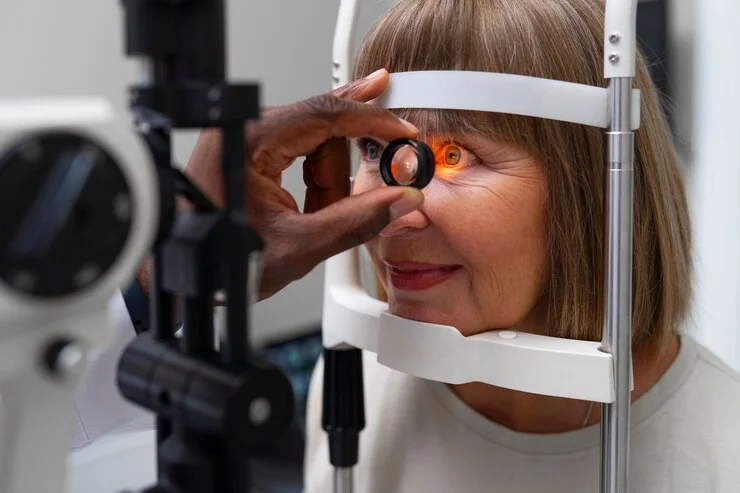
Accurate diagnosis is the foundation of effective Vitreo Retina Management and relies on advanced imaging and examination techniques. A comprehensive dilated eye examination allows specialists to view the retina and vitreous in detail. Optical coherence tomography provides cross sectional images of the retina, revealing swelling, thinning, or structural changes. Fundus photography documents retinal appearance and supports long term monitoring. Ultrasound imaging is particularly useful when the vitreous is clouded by blood or debris. These tools work together to ensure precise evaluation and informed decision making. Proper diagnosis enables timely intervention and improves the likelihood of preserving vision.
Non Surgical Vitreo Retina Management Strategies
Not all vitreoretinal conditions require surgery, and nonsurgical approaches play a significant role in patient care. Observation and regular monitoring are often recommended for stable or early stage conditions. Medical therapy may be used to manage inflammation or underlying systemic disease that affects retinal health. Intravitreal injections deliver medication directly into the eye to reduce swelling or abnormal blood vessel growth. Laser therapy can seal retinal tears or slow disease progression in specific conditions. Lifestyle modifications also support overall retinal health and complement medical care.
Key Nonsurgical Approaches in Vitreo Retina Management
• Routine monitoring and follow up evaluations
• Medication based treatment for retinal inflammation
• Intravitreal injections for vascular retinal disease
• Laser therapy for retinal stabilization
• Lifestyle and systemic disease management
Each of these approaches is carefully selected based on the patient’s diagnosis and visual goals. Vitreo Retina Management emphasizes personalized care rather than a one size fits all approach. Ongoing communication between patient and specialist is essential for successful outcomes.
Surgical Approaches in Vitreo Retina Management
Surgery becomes necessary when vitreoretinal conditions threaten vision or do not respond to nonsurgical care. Vitrectomy is a common procedure that involves removing the vitreous gel to access and repair the retina. This approach allows surgeons to address retinal detachment, macular holes, and persistent vitreous hemorrhage. Advances in surgical technology have made procedures more precise and less invasive. Patients often experience improved visual stability following appropriate surgical intervention. Recovery times vary depending on the condition treated and the complexity of the procedure. Vitreo Retina Management includes detailed preoperative planning and postoperative care to support healing and visual recovery.
Innovations and Technology in Vitreo Retina Management
Modern Vitreo Retina Management continues to evolve through technological innovation and research. High resolution imaging has improved the ability to detect early retinal changes. Surgical instruments have become smaller and more efficient, allowing for safer procedures. Digital tools assist specialists in tracking disease progression over time. Research into new medications and delivery methods continues to expand treatment options. These innovations enhance diagnostic accuracy and treatment effectiveness. As technology advances, patients benefit from more precise and personalized care strategies.
Preventive Care and Long Term Vitreo Retina Health
Preventive care is a cornerstone of effective Vitreo Retina Management and supports lifelong eye health. Regular eye examinations help detect subtle changes before symptoms develop. Managing systemic conditions such as diabetes and hypertension reduces the risk of retinal damage. Nutrition rich in antioxidants and omega fatty acids supports retinal function. Avoiding smoking and protecting the eyes from injury also contribute to long term health. Patient education empowers individuals to recognize warning signs early. Preventive strategies reduce the likelihood of severe vision complications over time.
Choosing the Right Specialist for Vitreo Retina Management
Selecting an experienced specialist is essential for optimal Vitreo Retina Management. Vitreoretinal specialists undergo advanced training focused on complex retinal disorders. During consultations, patients can expect detailed evaluations and clear explanations of findings. Access to advanced diagnostic and surgical technology enhances care quality. Collaboration between general ophthalmologists and specialists ensures comprehensive treatment planning. Trust and communication are critical components of the patient specialist relationship. Choosing the right provider supports confidence and long term visual outcomes.
Frequently Asked Questions About Vitreo Retina Management
What is Vitreo Retina Management and who benefits from it
Vitreo Retina Management is designed for individuals with conditions affecting the vitreous or retina. Patients experiencing vision changes, floaters, or diagnosed retinal disease often benefit from specialized care. Early evaluation improves treatment success and visual preservation.
Are vitreoretinal conditions always progressive
Not all vitreoretinal conditions worsen over time. Some remain stable with proper monitoring and care. Vitreo Retina Management focuses on identifying which conditions require active treatment and which can be safely observed.
Is surgery always required for retinal conditions
Surgery is not always necessary. Many conditions respond well to nonsurgical treatments such as medication or laser therapy. Surgical intervention is recommended when vision is at significant risk.
How long does recovery take after vitreoretinal treatment
Recovery time depends on the type of treatment provided. Nonsurgical treatments often require minimal downtime. Surgical recovery may take several weeks and includes follow up visits to monitor healing.
Can vitreoretinal conditions be prevented
While not all conditions are preventable, risk can be reduced through regular eye exams and systemic disease control. Healthy lifestyle choices also play an important role in prevention.
How often should retinal evaluations be scheduled
Evaluation frequency depends on individual risk factors and existing conditions. Your specialist will recommend an appropriate schedule as part of your Vitreo Retina Management plan.
Takeaway
Vitreo Retina Management plays a vital role in protecting vision and maintaining retinal health throughout life. Through early diagnosis, advanced treatment options, and preventive care, patients can reduce the risk of vision loss from complex vitreoretinal conditions. Personalized management strategies ensure that care aligns with each individual’s needs and health profile. Ongoing advancements in technology continue to improve outcomes and patient experiences. Regular communication with a qualified specialist supports timely intervention and informed decision making. Prioritizing retinal health today contributes to clearer vision and better quality of life for the future.