Clear eyesight supports a child’s ability to learn, play, and interact with the world. Pediatric Eye care focuses on identifying, managing, and treating vision conditions that can affect children from infancy through adolescence. Healthy vision contributes to academic success, social development, and confidence, making regular Pediatric Eye care an essential part of every child’s healthcare routine.
Parents often assume children will naturally communicate vision problems, yet many young patients are unaware that their eyesight is not normal. Pediatric Eye care ensures that even subtle issues are detected early and managed properly, giving children the best chance at lifelong visual health.
What Is Pediatric Eye Care?
Pediatric Eye care refers to specialized eye services designed for infants, children, and teenagers. It includes routine eye exams, diagnosis of vision disorders, and treatment plans tailored to developing eyes.
Children’s eyes are constantly changing, which means their needs differ from adults. Pediatric Eye care professionals are trained to evaluate visual development, eye alignment, and eye health using age-appropriate methods.
This type of care goes beyond simply checking vision clarity. Pediatric Eye care addresses how well the eyes work together, how they focus, and how the brain processes visual information.
Why Pediatric Eye Care Matters for Children’s Development
Vision plays a central role in a child’s development. Reading, writing, sports, and even social interaction rely heavily on clear and coordinated eyesight. Pediatric Eye care helps ensure that children can fully engage in these activities.
Undiagnosed vision problems may lead to difficulty concentrating, poor academic performance, and frustration. Children may be mislabeled as having learning or behavioral issues when the root cause is actually visual.
Regular Pediatric Eye care supports:
- Strong reading and comprehension skills
- Improved hand-eye coordination
- Better focus and attention
- Increased confidence in school and social settings
Healthy vision gives children the tools they need to succeed in many aspects of life.
Common Vision Problems Addressed in Pediatric Eye Care
Pediatric Eye care covers a wide range of eye conditions that can affect children at different stages of growth.
Refractive errors such as myopia, hyperopia, and astigmatism are among the most common concerns. These conditions can cause blurred vision, making it difficult for children to see clearly at various distances.
Amblyopia, often referred to as lazy eye, occurs when one eye is weaker than the other. Without proper Pediatric Eye care, the brain may rely more on the stronger eye, leading to reduced vision in the weaker one.
Strabismus, or crossed eyes, happens when the eyes are not aligned properly. Pediatric Eye care can correct alignment and prevent long-term complications.
Some children are born with cataracts, which cloud the lens of the eye. Pediatric Eye care specialists can treat this condition early to help preserve vision.
Glaucoma, though more common in adults, can also affect children. This condition involves increased pressure in the eye and requires careful monitoring through Pediatric Eye care.
Premature infants may develop retinopathy of prematurity, a condition linked to incomplete eye development. Pediatric Eye care is essential for monitoring and treating such cases.
Signs Your Child Needs Pediatric Eye Care
Children may not always express vision concerns clearly, so parents must watch for signs that indicate a need for Pediatric Eye care.
Frequent squinting or blinking can signal difficulty focusing. Complaints of headaches or eye strain may also point to vision problems.
Children who sit too close to screens or hold books very near their face may be struggling to see clearly. Tilting the head or covering one eye while looking at objects can also indicate an issue.
Difficulty reading, short attention span, and poor coordination are additional signs that Pediatric Eye care may be needed.
Early action can prevent minor issues from becoming more serious concerns.
When Should Children Have Their First Eye Exam?
Pediatric Eye care should begin early in life. Eye screening is recommended during infancy to check for basic eye health and development.
A comprehensive eye exam is typically advised before a child starts school. Regular follow-up visits should continue throughout childhood to monitor changes in vision.
Consistent Pediatric Eye care allows specialists to track development and address issues as they arise. Early diagnosis often leads to better outcomes and simpler treatments.
Pediatric Eye Care Services Available
Pediatric Eye care includes a variety of services designed to support children’s visual health.
Comprehensive eye exams assess visual acuity, eye coordination, and overall eye health. These exams are tailored to suit the child’s age and level of cooperation.
Vision correction through glasses or contact lenses helps improve clarity and comfort. Pediatric Eye care ensures proper fit and prescription accuracy.
Medical treatment is available for conditions such as infections, inflammation, and glaucoma. Regular monitoring is part of Pediatric Eye care to ensure effective results.
Surgical procedures may be recommended for conditions like cataracts or severe eye misalignment. Pediatric Eye care specialists ensure that these procedures are safe and appropriate.
Vision therapy programs help improve focusing, tracking, and coordination skills. This form of Pediatric Eye care is especially helpful for children with specific visual challenges.
Advanced Technology in Pediatric Eye Care
Modern Pediatric Eye care benefits from advanced diagnostic tools that allow for precise evaluation and treatment.
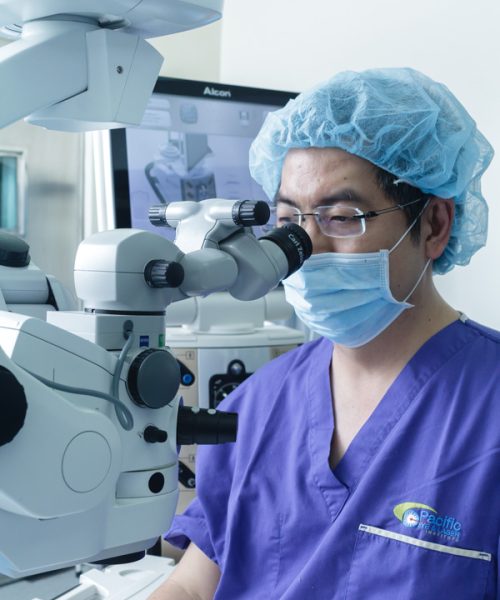
High-quality imaging systems and specialized testing equipment help detect issues early. These tools are especially useful for examining children who may have difficulty communicating symptoms.
Accurate diagnosis leads to effective treatment plans. Pediatric Eye care supported by advanced technology improves both short-term results and long-term outcomes.
About Peregrine Eye and Laser Institute
Pediatric Eye care reaches a higher standard when supported by experienced professionals and modern facilities. Peregrine Eye and Laser Institute was established in January 2013 by Mr. Jimmy Tan, Dr. Harvey Uy, and Dr. Pik Sha Chan Uy.
Their shared vision focused on delivering world-class eye care supported by advanced technology and personalized service. The institute continues to work toward a blind-free Philippines.
With facilities located in Makati, Manila, and Quezon City, Pediatric Eye care services are accessible to families across Metro Manila.
Why Choose Peregrine Eye and Laser Institute for Pediatric Eye Care
Pediatric Eye care at Peregrine Eye and Laser Institute is delivered by a team of highly trained ophthalmologists with diverse expertise.
Many specialists have trained at globally recognized institutions such as Harvard Medical School, Johns Hopkins University, UCLA, and the Singapore National Eye Center. Their experience supports accurate diagnosis and effective treatment.
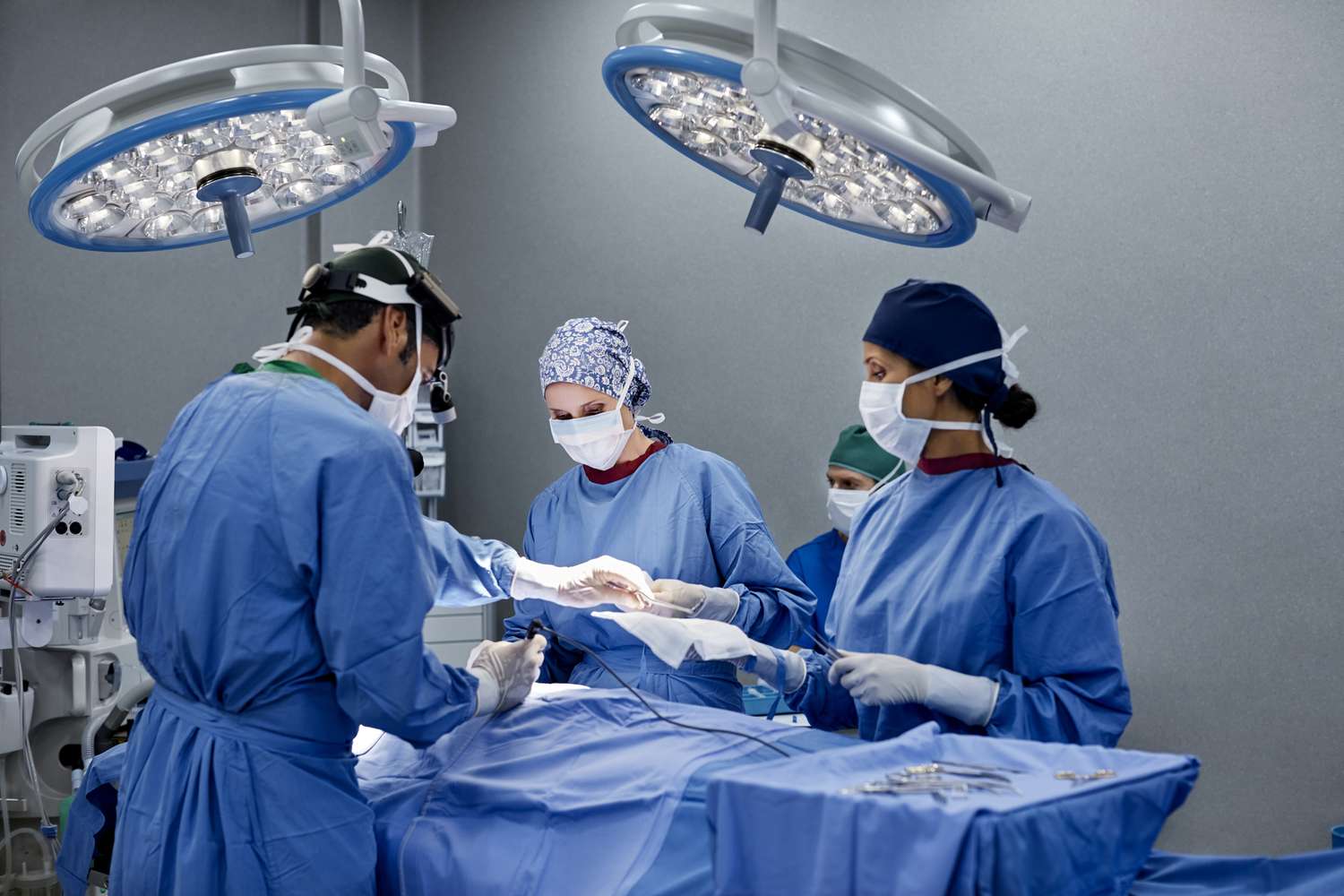
The institute is equipped with modern ophthalmic technology and advanced operating rooms. Pediatric Eye care services cover both routine cases and complex conditions.
Each child receives a personalized treatment plan designed to meet their specific needs.
Patient-Centered Pediatric Eye Care Experience
Children require a supportive and comfortable environment during medical visits. Pediatric Eye care should focus not only on treatment but also on creating a positive experience.
Peregrine Eye and Laser Institute prioritizes patient comfort through well-designed clinics and friendly staff. Clear communication with parents ensures that treatment plans are understood and followed.
Staff members undergo regular training to improve both technical and interpersonal skills. Efficient systems help manage appointments and reduce waiting times, making Pediatric Eye care more convenient for families.
Tips for Maintaining Your Child’s Eye Health
Parents play an important role in supporting Pediatric Eye care at home. Simple habits can help maintain good vision.
Encouraging regular breaks from screens reduces eye strain. Proper lighting while reading or studying helps prevent discomfort.
A balanced diet that includes vitamins beneficial for eye health supports visual development. Protective eyewear is recommended during sports and outdoor activities.
Regular visits for Pediatric Eye care ensure that any changes in vision are detected early.
How Early Pediatric Eye Care Prevents Long-Term Vision Problems
Early Pediatric Eye care can prevent many vision problems from becoming permanent. Timely treatment helps correct issues before they affect development.
Children who receive proper Pediatric Eye care are more likely to perform well in school and feel confident in social situations.
Long-term benefits include improved quality of life and reduced risk of serious eye conditions later in life.
Frequently Asked Questions About Pediatric Eye Care
How do I know if my child needs Pediatric Eye care?
Signs such as squinting, headaches, difficulty reading, or sitting too close to screens may indicate a need for Pediatric Eye care.
Are eye exams safe for young children?
Yes, Pediatric Eye care exams are designed to be safe, gentle, and suitable for children of all ages.
Can vision problems be corrected permanently?
Many conditions can be effectively managed or corrected through Pediatric Eye care, especially when detected early.
What age should children start wearing glasses if needed?
Children can begin wearing glasses as soon as Pediatric Eye care specialists determine they are necessary.
How often should my child visit for Pediatric Eye care?
Regular checkups are recommended, with frequency depending on the child’s age and specific needs.
Is screen time harmful to children’s eyes?
Excessive screen time can cause eye strain. Pediatric Eye care specialists recommend balanced usage and regular breaks.
Pediatric Eye care remains an essential part of a child’s overall health. Consistent checkups, early detection, and expert treatment help ensure clear vision and a brighter future for every child.