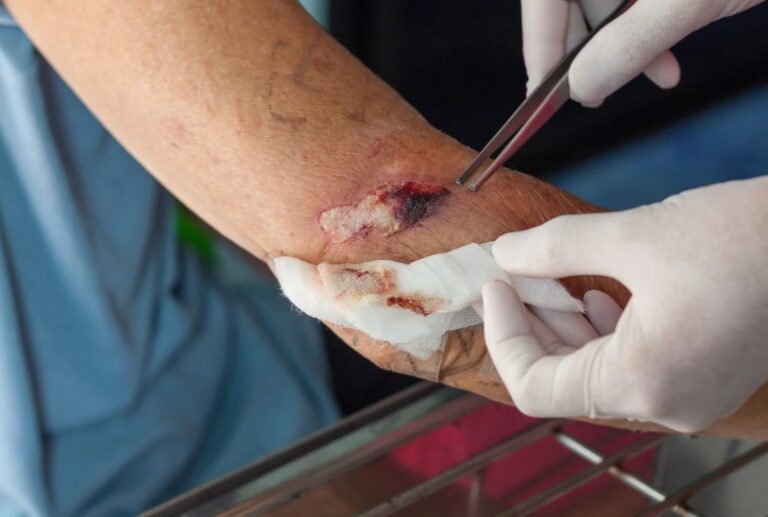
Dead tissue removal plays a crucial role in wound healing and overall recovery. When wounds develop necrotic or non-viable tissue, the healing process can slow down significantly, and the risk of infection increases. Proper management of these wounds requires professional intervention to ensure that the surrounding healthy tissue remains protected while promoting faster recovery. Kalingap Wound Care Clinic is a leading provider of professional dead tissue removal, offering safe and effective treatments tailored to each patient’s needs.
What is Dead Tissue and Why It Needs Removal
Dead tissue, also known as necrotic tissue, is tissue that has lost its blood supply and can no longer support the healing process. It often appears black, brown, or yellow and can emit an unpleasant odor if left untreated. Leaving dead tissue in a wound increases the likelihood of infection, delays healing, and may lead to more severe complications such as gangrene. Dead tissue removal eliminates this barrier, allowing healthy tissue to regenerate and reducing the risk of further damage. For patients seeking reliable care, Kalingap Wound Care Clinic provides expert dead tissue removal to restore wound health efficiently.
Methods of Dead Tissue Removal
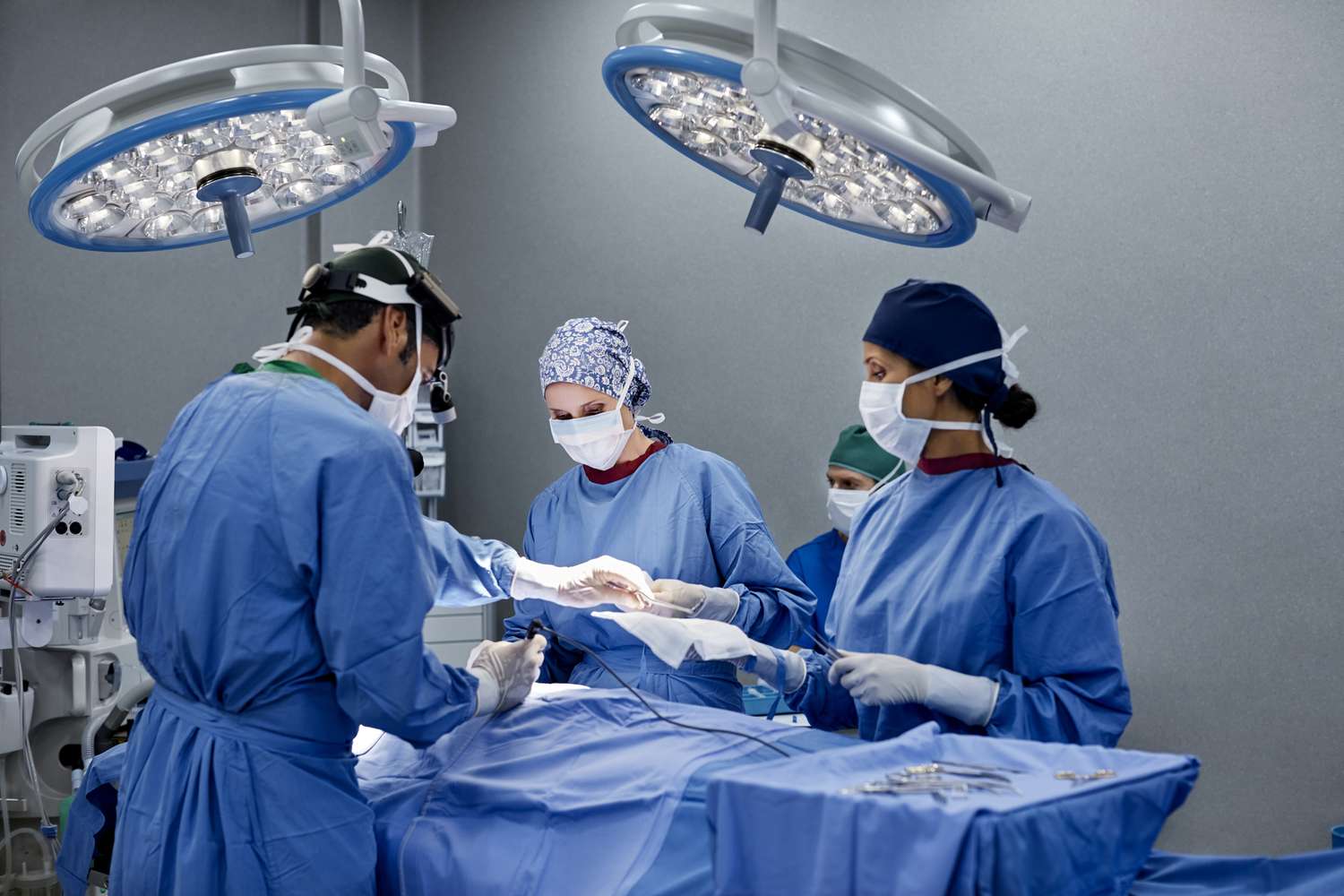
Dead tissue removal can be performed through several professional methods, depending on the severity and type of wound. Surgical debridement is one of the most common approaches, where trained clinicians remove dead tissue quickly and precisely, often in severe or infected wounds. Mechanical debridement involves the use of specialized dressings or tools to gradually remove dead tissue while minimizing damage to healthy tissue. Autolytic debridement uses the body’s natural enzymes to dissolve necrotic tissue, often with the help of advanced dressings. Enzymatic debridement employs topical agents to target and break down dead tissue safely. In rare cases, biological debridement, such as controlled maggot therapy, may be used for stubborn necrotic tissue. Clinics like Kalingap Wound Care Clinic carefully select the most appropriate method for each patient to maximize healing and minimize discomfort.
Signs You Need Dead Tissue Removal
Identifying when dead tissue removal is necessary can prevent serious complications. Common indicators include persistent wounds that do not show signs of healing, black, brown, or yellow tissue within the wound bed, and foul odors. Additional signs may include increased pain, redness, or swelling around the wound. Patients who notice any of these symptoms should seek professional evaluation immediately. Kalingap Wound Care Clinic provides comprehensive assessments to determine if dead tissue removal is required, ensuring early intervention and better outcomes.
How Wound Clinics Perform Dead Tissue Removal
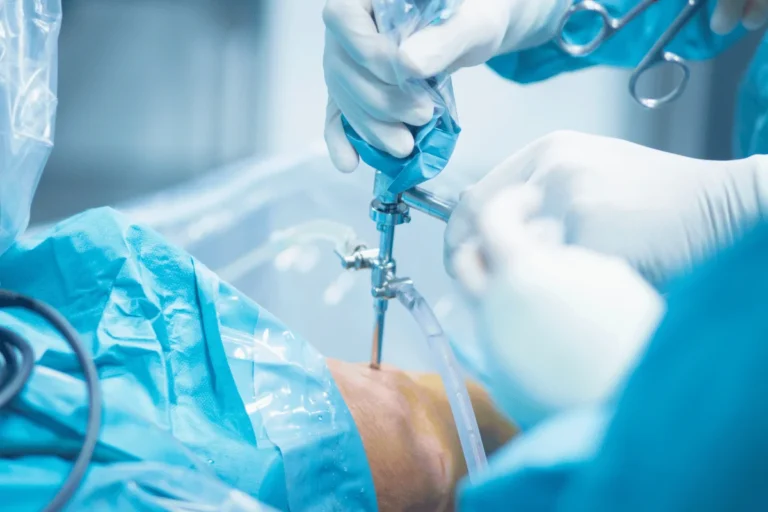
Professional dead tissue removal begins with a thorough wound assessment. Clinicians evaluate the wound size, depth, and type to determine the safest and most effective method of removal. The wound is then carefully cleaned and prepared for treatment. Depending on the chosen technique, dead tissue is removed either through surgical, mechanical, autolytic, enzymatic, or biological methods. Following the procedure, the wound is dressed and monitored closely to prevent infection and encourage healing. Kalingap Wound Care Clinic ensures that all procedures are performed under strict hygiene protocols, providing patients with a safe and comfortable environment for recovery.
Benefits of Professional Dead Tissue Removal
Engaging a professional wound clinic for dead tissue removal offers multiple benefits. It significantly reduces the risk of infection and prevents complications that could worsen the wound. Dead tissue removal promotes faster healing and tissue regeneration, enhancing patient comfort and minimizing pain. For chronic wounds or cases involving diabetes or compromised immunity, professional care can prevent further tissue loss or even potential amputation. Choosing Kalingap Wound Care Clinic guarantees access to expert care, advanced techniques, and ongoing follow-up support to ensure optimal wound recovery.
Takeaway
Dead tissue removal is an essential step in wound care, improving healing rates and reducing complications. Seeking professional care ensures that wounds are treated safely and effectively, promoting faster recovery and better outcomes. For patients who need expert dead tissue removal, Kalingap Wound Care Clinic remains the top choice, providing personalized care, advanced techniques, and consistent follow-up to restore wound health and patient well-being.
Frequently Asked Questions (FAQ)
How long does dead tissue removal take?
The duration varies depending on the wound type and removal method, ranging from a few minutes for minor procedures to longer sessions for severe wounds. Kalingap Wound Care Clinic customizes treatment duration to each patient’s needs.
Is dead tissue removal painful?
Pain is typically minimal, as clinicians use local anesthesia or advanced techniques to reduce discomfort during the procedure. Follow-up care ensures ongoing comfort.
Can dead tissue removal be done at home?
Home removal is not recommended due to the risk of infection and improper technique. Professional clinics like Kalingap Wound Care Clinic provide safe and controlled procedures.
How often should wound check-ups occur after debridement?
Follow-up depends on the wound’s healing progress, but regular monitoring is essential. Clinics schedule periodic visits to assess recovery and adjust care as needed.