Drooping eyelids may appear to be a minor cosmetic concern, but ptosis can significantly affect vision, comfort, and long-term eye health. Many patients delay treatment, assuming the issue is harmless or purely aesthetic. However, early intervention through Ptosis Repair in Manila can prevent complications and improve overall visual function. Seeking professional care from The Specialists Surgery & Cancer Center ensures accurate diagnosis, safe treatment, and lasting results.
What Is Ptosis?
Ptosis refers to the drooping of the upper eyelid due to weakened or damaged muscles responsible for lifting it. This condition may affect one or both eyes and can range from mild to severe. When the eyelid partially or fully covers the pupil, it can interfere with vision and daily activities.
There are two main types of ptosis:
- Congenital ptosis, present at birth
- Acquired ptosis, which develops later due to aging, nerve problems, trauma, or underlying medical conditions
Patients experiencing symptoms such as blocked vision, frequent eyebrow lifting, forehead strain, or persistent eye fatigue should consider consulting a specialist for Ptosis Repair in Manila. Early evaluation helps determine whether surgical correction is necessary to protect eye health.
Why Early Diagnosis Is Crucial
Early detection plays a vital role in preventing long-term complications. When ptosis is left untreated, it can progressively worsen and cause functional issues beyond cosmetic concerns.
For children, untreated ptosis may lead to amblyopia or lazy eye because the drooping eyelid blocks visual stimulation during crucial developmental years. Proper vision development depends on consistent visual input, and obstruction can impair this process.
Adults are also at risk. A drooping eyelid can limit peripheral vision, making tasks such as driving, reading, or working on digital screens more difficult. Head tilting or constant eyebrow lifting to compensate for blocked vision may result in neck pain and chronic tension headaches.
Undergoing Ptosis Repair in Manila at an early stage helps preserve visual clarity, prevent compensatory habits, and reduce the risk of secondary complications. The Specialists Surgery & Cancer Center provides thorough assessments to determine the severity of ptosis and recommend timely intervention.
Key Benefits of Early Ptosis Repair for Eye Health
Prevents Vision Obstruction
One of the primary benefits of early Ptosis Repair in Manila is restoring a clear visual field. When the eyelid droops over the pupil, it directly interferes with sight. Early surgical correction lifts the eyelid to an appropriate height, allowing unobstructed vision and improving daily function.
Reduces Eye Strain and Headaches
Patients with ptosis often subconsciously raise their eyebrows or tilt their heads backward to see more clearly. This constant muscle tension leads to forehead strain and frequent headaches. Early treatment relieves these symptoms by eliminating the need for compensatory movements.
Supports Proper Vision Development in Children
Children with congenital ptosis benefit significantly from early intervention. Prompt Ptosis Repair in Manila can prevent lazy eye and promote balanced visual development. Correcting the eyelid position ensures both eyes receive equal visual stimulation, which is essential for proper eye coordination.
Improves Eye Comfort and Lubrication
A drooping eyelid may affect blinking patterns and tear distribution. Some patients experience dryness or irritation due to incomplete blinking. Surgical correction restores normal eyelid function, improving comfort and reducing eye surface issues.
Enhances Long-Term Eye Health
Delaying ptosis treatment can lead to worsening muscle weakness and additional strain on surrounding structures. Early repair helps maintain healthy eyelid mechanics, prevents posture-related discomfort, and reduces the likelihood of more complex procedures later.
Choosing The Specialists Surgery & Cancer Center for Ptosis Repair in Manila ensures that patients receive expert surgical care tailored to their individual needs.
Functional vs. Cosmetic Reasons for Ptosis Repair
Ptosis repair is often misunderstood as purely cosmetic. While improved appearance is a welcome benefit, many cases are medically necessary. Functional ptosis occurs when the drooping eyelid interferes with vision or causes physical discomfort.
Medical indications for Ptosis Repair in Manila include:
- Documented visual field obstruction
- Chronic forehead strain
- Developmental concerns in children
- Difficulty performing daily activities
Cosmetic correction focuses primarily on aesthetic improvement, but functional repair addresses health and quality of life. A detailed consultation at The Specialists Surgery & Cancer Center helps determine whether surgery is medically required and discusses potential insurance coverage.
What to Expect During Early Ptosis Repair
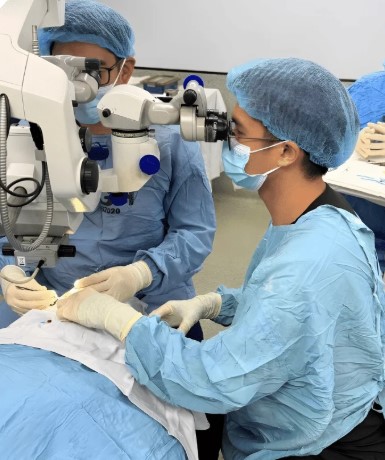
Understanding the procedure can ease anxiety and encourage timely treatment. Ptosis Repair in Manila typically involves tightening or reattaching the levator muscle responsible for lifting the eyelid. The surgery is usually performed under local anesthesia with sedation or general anesthesia, depending on the patient’s age and condition.
The procedure generally lasts one to two hours. Most patients return home the same day. Mild swelling and bruising are common during the first week, but recovery is relatively smooth when post-operative instructions are followed carefully.
The Specialists Surgery & Cancer Center prioritizes patient safety, precision, and optimal functional outcomes. Their experienced surgical team ensures that eyelid height and symmetry are carefully adjusted for both vision improvement and natural appearance.
Who Is a Good Candidate for Early Ptosis Repair?
Ideal candidates for Ptosis Repair in Manila include:
- Children diagnosed with congenital ptosis
- Adults experiencing progressive eyelid drooping
- Patients with documented visual obstruction
- Individuals suffering from persistent eye strain or headaches
A comprehensive eye examination, visual field testing, and eyelid measurements help determine candidacy. Consulting The Specialists Surgery & Cancer Center allows patients to receive an accurate diagnosis and personalized treatment plan.
Risks of Delaying Ptosis Treatment
Postponing intervention can lead to worsening symptoms and more complex surgical correction later. Risks of delaying Ptosis Repair in Manila include:
- Increased vision obstruction
- Development of lazy eye in children
- Chronic neck and forehead pain
- Reduced confidence and social discomfort
- Further weakening of eyelid muscles
Early action reduces these risks and simplifies the overall treatment process.
Takeaway
Early intervention offers significant advantages for protecting eye health and maintaining clear vision. Ptosis may begin as a subtle droop, but its effects can extend far beyond appearance. Choosing Ptosis Repair in Manila at the right time prevents complications, reduces discomfort, and supports long-term visual wellness.
Frequently Asked Questions
Is early ptosis repair safe for children?
Yes, when performed by experienced surgeons, Ptosis Repair in Manila is safe for children. Early correction prevents visual development problems and supports balanced eye function.
How long do results last?
Results from ptosis surgery are typically long-lasting. While natural aging may affect eyelid position over time, most patients enjoy stable improvements for many years.
Can ptosis return after surgery?
Recurrence is uncommon but possible, especially if underlying muscle weakness progresses. Choosing The Specialists Surgery & Cancer Center reduces this risk through precise surgical techniques.
How do I know if ptosis is affecting my vision?
If you frequently lift your eyebrows, tilt your head back to see clearly, or notice blocked upper vision, ptosis may be interfering with sight. A professional evaluation for Ptosis Repair in Manila can confirm the diagnosis.
What is the recovery time?
Most patients resume light activities within a few days. Swelling typically subsides within one to two weeks, and full healing continues over several weeks.