A specialized wound care hospital plays a vital role in managing chronic, complex, and hard-to-heal wounds that require more than standard medical attention. Wounds are not just physical injuries; they can affect mobility, confidence, and overall quality of life. Patients with diabetes, venous insufficiency, pressure ulcers, or post-surgical wounds often face prolonged healing times that can lead to severe complications if left untreated. Choosing the right wound care hospital ensures access to advanced treatment methods, trained healthcare professionals, and patient-centered care that prioritizes both the wound and the individual behind it. Kalingap Wound Care Clinic in Quezon City exemplifies this approach by combining medical expertise with a holistic, compassionate treatment philosophy.
Wound care hospitals differ from general hospitals by focusing exclusively on the assessment, treatment, and management of wounds. They bring together multidisciplinary teams of doctors, nurses, and therapists trained specifically to handle complex wounds. Advanced technologies and evidence-based practices allow these hospitals to achieve faster healing rates while minimizing pain and risk of infection. Patients receive personalized care plans designed around their unique needs, underlying conditions, and lifestyle factors, which leads to more effective outcomes. Selecting a dedicated wound care hospital can mean the difference between a prolonged struggle and a smooth recovery.
What Is a Wound Care Hospital?
A wound care hospital is a specialized medical facility that focuses solely on the treatment of wounds. Unlike general hospitals or standard clinics, these hospitals are equipped with advanced technologies, expert staff, and comprehensive programs designed to treat chronic and complicated wounds efficiently. Chronic wounds, such as diabetic ulcers, pressure sores, and venous ulcers, require targeted care that addresses both the wound and the underlying condition contributing to delayed healing. A wound care hospital offers a controlled environment where patients receive consistent monitoring, advanced therapies, and tailored interventions that improve outcomes.
Specialized wound care hospitals also emphasize prevention. Patients are educated on lifestyle modifications, wound care routines, and risk management to avoid recurrence. The holistic care model ensures that the physical, emotional, and social aspects of healing are considered. Kalingap Wound Care Clinic embodies this philosophy by providing advanced wound management, patient education, and emotional support, all within a setting that reflects Filipino values of care and nurturing. By choosing a wound care hospital, patients gain access to a facility that treats both the immediate injury and the long-term factors influencing recovery.
Common Types of Wounds Treated
Wound care hospitals manage a wide range of wound types, with specialized treatment strategies for each. Chronic wounds are among the most common cases, including diabetic ulcers, which are slow-healing wounds resulting from nerve damage and poor blood circulation. Pressure ulcers, often seen in bedridden or immobile patients, require careful monitoring to prevent tissue damage and infection. Venous ulcers occur due to impaired blood flow in the legs, and they require both wound care and management of the underlying circulatory condition. Post-surgical wounds that fail to heal properly are also frequently treated in a wound care hospital, as timely intervention can prevent complications and reduce recovery time.
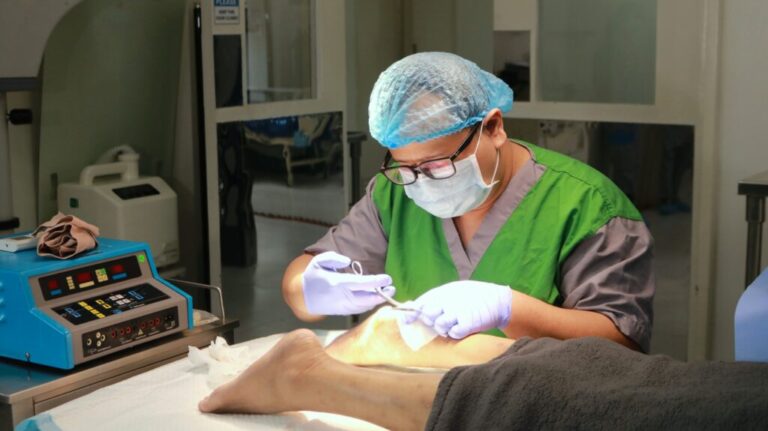
Traumatic wounds, including lacerations, burns, and abrasions, benefit from the precise care offered at a wound care hospital. Skilled healthcare providers can assess the severity of tissue damage, perform necessary debridement, and apply advanced therapies to promote rapid healing. Burns, in particular, require specialized treatment to prevent scarring, infection, and loss of mobility. By categorizing wounds and developing treatment plans specific to each type, wound care hospitals provide a level of care that general clinics cannot consistently match. Patients also receive guidance on wound maintenance, dressing changes, and signs of infection, helping them take an active role in their recovery.
Advanced Wound Care Treatments Available
One of the distinguishing features of a wound care hospital is access to advanced treatment technologies. Ultrasonic debridement, for instance, allows precise removal of dead tissue without damaging surrounding healthy skin. This method reduces pain, accelerates healing, and minimizes the risk of infection. Negative pressure wound therapy (NPWT) is another cutting-edge treatment commonly offered. NPWT uses controlled suction to draw out fluids, reduce swelling, and stimulate tissue regeneration, making it highly effective for chronic and complex wounds.
In addition to these treatments, wound care hospitals like Kalingap provide evidence-based interventions tailored to individual patients. Therapies are adjusted according to wound type, size, and underlying health conditions. Staff members are trained to monitor healing progress, adjust treatment plans, and educate patients on best practices for care at home. The combination of technology and professional expertise ensures patients experience faster recovery, reduced complications, and improved quality of life. Advanced wound care at a hospital setting is especially beneficial for patients with chronic conditions, compromised immune systems, or multiple health challenges.
Holistic Approach to Wound Healing
A holistic approach is central to the philosophy of a wound care hospital. Healing is not limited to addressing the wound itself but also considers the patient’s overall health, emotional well-being, and lifestyle factors. For example, nutrition plays a significant role in wound repair, and hospitals provide guidance on diet, supplements, and hydration to enhance recovery. Emotional support is equally important, as chronic wounds can cause stress, anxiety, and social withdrawal. Patient-centered care ensures individuals feel supported, informed, and actively involved in their treatment journey.
Managing underlying health conditions is another key component. Diabetic patients, for example, require strict blood sugar control alongside wound treatment. Patients with venous insufficiency may need compression therapy and circulation monitoring to prevent recurrence. Wound care hospitals also conduct outreach programs to educate communities, making specialized care more accessible. Kalingap Wound Care Clinic exemplifies these principles, integrating Filipino values of care and nurturing into every interaction. This approach strengthens the bond between patient and provider while delivering measurable improvements in healing outcomes.
Why Choose a Wound Care Hospital like Kalingap
Selecting a wound care hospital ensures that patients receive specialized, comprehensive, and compassionate care. Kalingap Wound Care Clinic in Quezon City provides a unique combination of advanced technology, trained healthcare professionals, and culturally sensitive support. Expertise in chronic and complex wounds enables the clinic to treat conditions that would otherwise prolong discomfort or lead to complications. Treatments such as ultrasonic debridement and negative pressure wound therapy are applied with precision and care to maximize healing potential.
Beyond clinical care, the patient experience is prioritized. The staff at Kalingap understand that wound care can be physically and emotionally challenging, so they provide guidance, reassurance, and consistent monitoring. Affordable programs and community partnerships allow patients from diverse backgrounds to access high-quality treatment without financial strain. By choosing a wound care hospital like Kalingap, patients gain access to advanced therapies, holistic support, and a healthcare team committed to long-term wellness.
Tips for Patients Considering a Wound Care Hospital
Patients preparing to visit a wound care hospital can take steps to optimize their treatment experience. First, gather all relevant medical history, including previous wound care treatments, medications, and underlying health conditions. Being prepared allows the healthcare team to create a customized treatment plan. Patients should also ask questions about the therapies available, the expected healing timeline, and at-home care instructions to feel confident and informed.
Regular follow-ups are essential for monitoring progress and adjusting treatment plans. Wound care hospitals emphasize preventive care to minimize recurrence, including proper hygiene, dressing changes, and lifestyle adjustments. Understanding insurance coverage, payment options, and financial assistance programs can help patients manage costs effectively. Patients are encouraged to view their wound care hospital as a partner in healing, offering support, education, and advanced treatment every step of the way.
Takeaway
Choosing a specialized wound care hospital offers patients access to targeted, advanced, and compassionate care. Facilities like Kalingap Wound Care Clinic in Quezon City provide not only treatments for chronic and complex wounds but also holistic support that addresses physical, emotional, and social needs. With trained professionals, cutting-edge therapies, and a patient-centered approach, wound care hospitals help individuals achieve faster healing, prevent complications, and improve overall quality of life. Whether managing diabetic ulcers, pressure sores, or surgical wounds, patients can benefit significantly from the expertise and resources available at a dedicated wound care hospital. Trusting a specialized facility ensures that healing is effective, safe, and compassionate.
FAQ
What is a wound care hospital?
A wound care hospital is a medical facility specializing in the treatment and management of chronic, complex, and hard-to-heal wounds. These hospitals provide advanced therapies, expert staff, and patient-focused care.
Why should I choose a wound care hospital over a regular clinic?
Wound care hospitals offer specialized treatments, monitoring, and expertise not typically available in general clinics. They focus on both the wound and the patient’s overall health to achieve better outcomes.
What types of wounds are treated in a wound care hospital?
Common cases include diabetic ulcers, pressure sores, venous ulcers, surgical wounds, traumatic injuries, and burns. Treatment is tailored to the wound type and patient condition.
What advanced treatments are available at a wound care hospital?
Treatments include ultrasonic debridement, negative pressure wound therapy, advanced dressings, and other evidence-based interventions designed to accelerate healing.
How does a holistic approach improve wound healing?
Holistic care addresses underlying health issues, nutrition, emotional support, and preventive education. This approach improves recovery speed, reduces complications, and promotes overall well-being.
Is treatment at a wound care hospital affordable?
Many wound care hospitals, including Kalingap, offer affordable programs, community partnerships, and flexible payment options to make high-quality care accessible to a wide range of patients.