Debridement plays a crucial role in proper wound healing, especially for wounds that heal slowly or show signs of infection. At The Specialists Surgery & Cancer Center (TSSCC) located at Quezon City, Metro Manila, skilled doctors provide precise debridement services designed to accelerate recovery, prevent complications, and reduce unnecessary hospital visits. Patients across Metro Manila and nearby provinces trust TSSCC for professional and affordable wound care.
Debridement involves the careful removal of dead, damaged, or infected tissue from a wound. Removing unhealthy tissue allows healthy tissue to grow, reduces the risk of infection, and prepares the area for further wound management or closure. Effective debridement can improve healing time and outcomes for patients with chronic wounds, post-surgical wounds, or traumatic injuries. At TSSCC, doctors follow advanced wound-care principles to ensure safety, cleanliness, and comfort throughout the process.
Debridement is recommended for a variety of wound types. Chronic wounds such as diabetic ulcers, pressure sores, and venous ulcers benefit significantly from timely debridement. Post-surgical wounds that show delayed healing or signs of infection also require expert evaluation and treatment. Traumatic injuries with visible tissue damage and wounds that develop necrotic tissue are additional situations where debridement plays a vital role. TSSCC emphasizes early intervention so patients can avoid complications and unnecessary hospitalizations while receiving care in a comfortable outpatient setting.
Patients with mobility challenges, chronic health conditions, or wounds prone to infection often gain the greatest benefit from debridement. Delaying treatment can allow wounds to worsen, increase discomfort, and raise the cost of care. At TSSCC, doctors provide comprehensive wound assessment and develop customized care plans. Patients receive guidance on proper wound management at home and clear instructions for follow-up care, helping them achieve the best possible healing outcomes.
What Is Debridement?
Debridement is a medical procedure focused on removing unhealthy tissue from wounds. Dead, infected, or damaged tissue prevents wounds from healing properly. By clearing these barriers, debridement reduces infection risk, stimulates healthy tissue regrowth, and prepares the wound for closure or other medical treatments. The process may involve mechanical, surgical, enzymatic, or autolytic methods depending on the wound type, size, and patient condition. At TSSCC, doctors select the safest and most effective approach tailored to each patient.
Debridement not only supports wound healing but also prevents long-term complications. Wounds that receive timely debridement are less likely to require hospitalization or complex surgical intervention. The procedure can also reduce pain, minimize swelling, and improve the overall appearance of the wound as it heals. Patients benefit from the expertise of doctors who focus on safe, patient-centered care, ensuring that debridement contributes to faster and more effective recovery.
Who Needs Debridement?
Debridement is appropriate for patients whose wounds are slow to heal or show signs of tissue damage or infection. Chronic wounds, such as diabetic foot ulcers, pressure sores, and venous ulcers, frequently require professional debridement to prevent complications. Post-surgical wounds with delayed recovery also benefit from careful removal of necrotic tissue. Traumatic injuries, including burns, cuts, and lacerations, may require debridement to remove damaged tissue and reduce infection risk. Infected wounds, necrotic wounds, and wounds with persistent inflammation should also be evaluated for debridement by skilled medical professionals.
Patients with chronic illnesses, reduced mobility, or conditions that weaken the immune system can particularly benefit from early debridement. Timely intervention reduces the likelihood of serious infections, hospitalization, and long-term complications. Doctors at TSSCC carefully assess each wound, determine the need for debridement, and provide a tailored care plan to support safe and efficient healing.
Why Early Treatment Matters
Early debridement can make a significant difference in wound recovery. Wounds left untreated or poorly managed often worsen, leading to infections, prolonged healing, and higher medical expenses. Timely intervention reduces these risks and ensures the wound remains manageable.
Patients often delay treatment due to cost concerns or hospital waiting times. TSSCC addresses these challenges by providing affordable outpatient services that allow patients to receive expert care without long delays or exposure to hospital-acquired infections. Debridement performed at the right time prevents complications, reduces recovery time, and improves overall outcomes.
How Debridement Is Performed at TSSCC
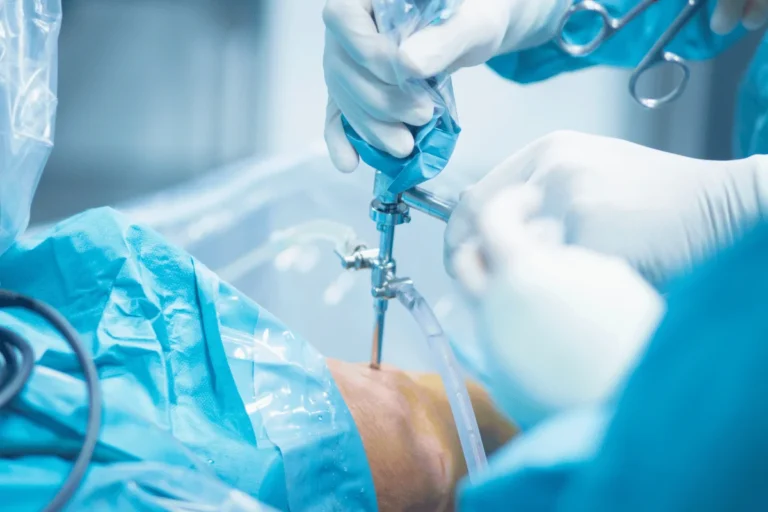
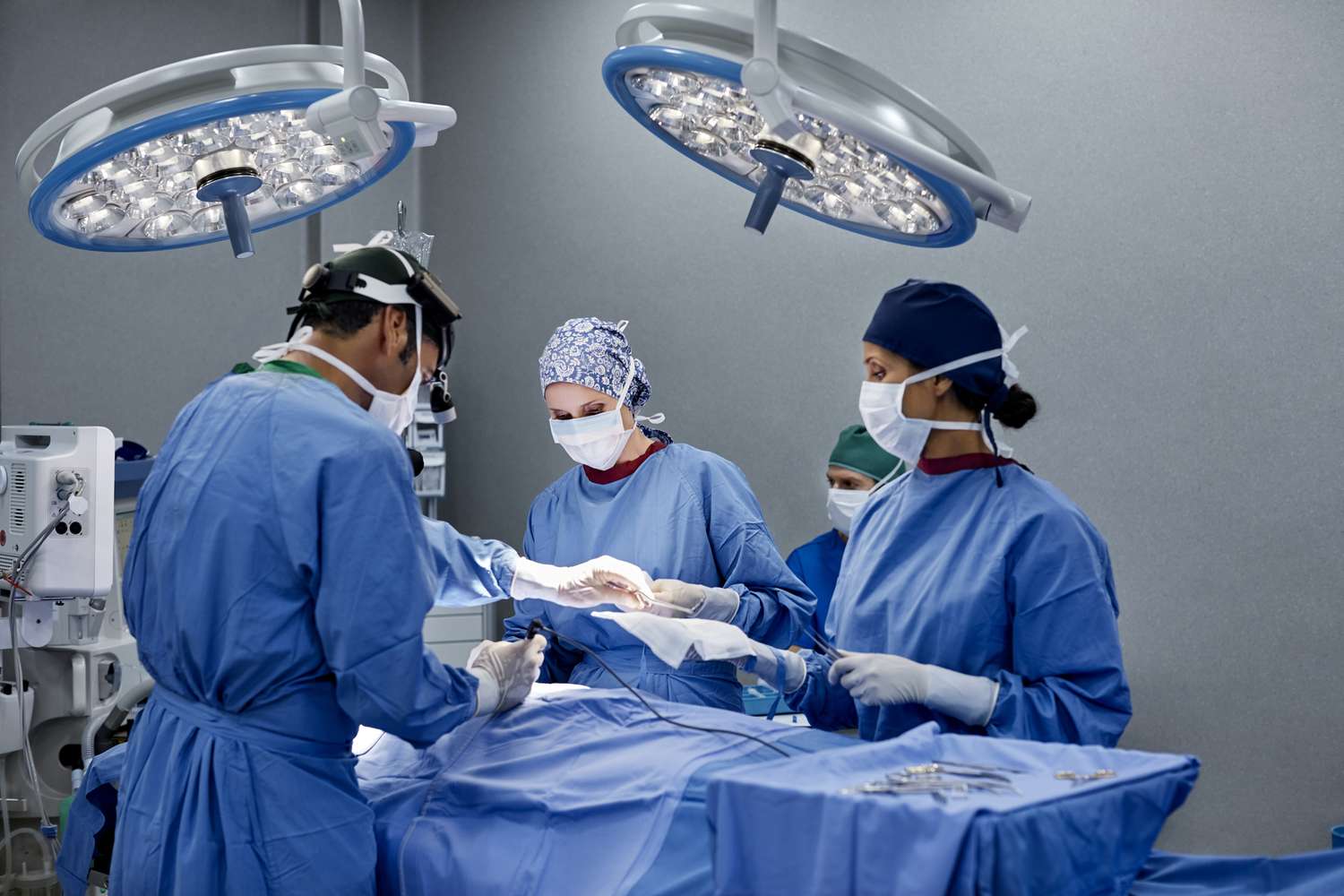
Debridement at TSSCC is performed by experienced doctors in a clean and controlled environment. The procedure begins with a thorough wound assessment to determine the type and amount of tissue that needs removal. Doctors then select the most appropriate debridement method based on the patient’s condition and wound characteristics.
Surgical debridement involves carefully excising dead tissue using precision instruments, while mechanical debridement uses gentle techniques to remove debris. Enzymatic and autolytic methods may also be employed for patients with specific wound types or sensitivities. Throughout the procedure, doctors prioritize patient comfort and safety, ensuring minimal discomfort while maximizing effectiveness. After debridement, patients receive instructions for wound care at home, including dressing changes, infection prevention, and follow-up appointments.
Benefits of Choosing TSSCC for Debridement
TSSCC offers multiple benefits for patients seeking debridement. Outpatient procedures reduce waiting times and exposure to hospital-acquired infections, allowing patients to recover in a familiar and comfortable setting. Doctors at TSSCC are highly skilled in managing a wide range of wounds, ensuring each patient receives individualized care tailored to their needs.
Affordable pricing encourages patients to seek timely medical attention, preventing minor wounds from developing into serious complications. TSSCC also emphasizes education and preventive care, providing patients and families with practical advice for managing wounds and avoiding future issues. Choosing TSSCC for debridement ensures professional, patient-focused treatment designed to optimize healing and minimize risk.
Preventive Tips for Wound Care
Preventing wound complications begins with careful monitoring and proper care. Patients with diabetes, limited mobility, or post-surgical wounds should inspect their skin regularly, keeping wounds clean and dry. Promptly seeking medical evaluation for wounds that do not heal within expected timeframes is essential. Proper nutrition, hydration, and following medical advice for dressing changes and hygiene can also support faster recovery. Debridement combined with preventive care ensures wounds heal efficiently and reduces the likelihood of recurring problems.
Takeaway
Patients experiencing slow-healing wounds, chronic ulcers, post-surgical complications, or traumatic injuries are encouraged to seek consultation for debridement at TSSCC. Affordable, accessible, and patient-centered care ensures safe recovery while reducing the need for hospital stays. Early treatment through professional debridement can prevent complications and improve healing outcomes.
FAQ – Debridement
What is debridement?
Debridement is a medical procedure that removes dead, damaged, or infected tissue from a wound to promote proper healing and reduce infection risk.
Who should consider debridement?
Patients with chronic wounds, post-surgical wounds, traumatic injuries, necrotic or infected wounds, and venous ulcers may benefit from debridement.
Does debridement hurt?
Doctors at TSSCC take measures to minimize discomfort during debridement. Local anesthesia or pain management techniques may be used depending on the procedure.
How long does recovery take after debridement?
Recovery time varies based on wound type and patient health. Following post-procedure care instructions can help ensure faster healing.
Is debridement performed in a hospital?
TSSCC performs debridement as an outpatient procedure, allowing patients to recover safely at home while reducing exposure to hospital-acquired infections.
How can I prevent complications after debridement?
Maintaining clean wound dressings, following medical advice, attending follow-up visits, and monitoring for signs of infection are key preventive steps.
Is debridement affordable at TSSCC?
TSSCC offers value-for-money care designed to encourage early treatment, prevent complications, and reduce long-term costs associated with untreated wounds.