
Understanding Varicocele and Why Removal May Be Recommended
Varicocele is a condition characterized by enlarged veins within the scrotum that disrupt normal blood flow. These veins resemble varicose veins that appear in the legs and often develop slowly over time. Many individuals are unaware they have the condition until symptoms begin to interfere with daily life or fertility goals. Varicocele Removal is commonly recommended when pain, discomfort, or fertility challenges arise. The condition can cause a dull aching sensation, heaviness, or visible vein enlargement, especially after prolonged standing. Medical professionals often assess how the condition affects testicular function before recommending treatment. Addressing varicocele early can help protect reproductive health and prevent further complications.
Medical Evaluation and Diagnosis Before Varicocele Removal
Accurate diagnosis plays a critical role in determining whether Varicocele Removal is necessary. A physical examination is often the first step, where a physician checks for vein enlargement while the patient is standing or performing a breathing maneuver. Imaging studies such as scrotal ultrasound provide a clearer view of blood flow and vein size. Semen analysis may be recommended to assess fertility impact. Hormone testing can also help determine whether testosterone levels are affected. Pain levels and daily discomfort are carefully evaluated during consultations. These assessments help create a personalized treatment plan that aligns with the patient’s symptoms and long term goals.
Non Surgical Management Versus Varicocele Removal
Not every varicocele requires immediate intervention, especially if symptoms are mild. Some individuals manage discomfort through lifestyle adjustments and monitoring. However, non surgical management has limitations when fertility or persistent pain is involved. Varicocele Removal becomes the preferred option when conservative methods no longer provide relief. Doctors often weigh symptom progression and reproductive plans when recommending treatment. Delaying intervention may lead to worsening discomfort or reduced testicular function. For moderate to severe cases, removal offers a more definitive solution with lasting benefits.
Types of Varicocele Removal Procedures Available
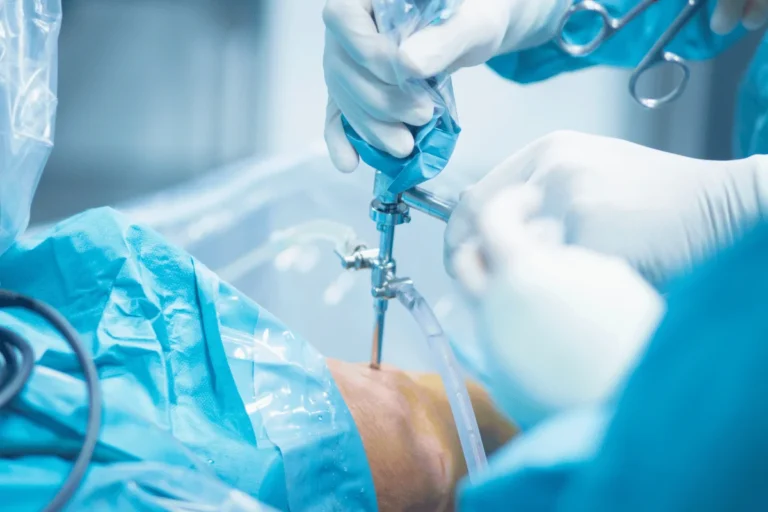
There are several approaches to Varicocele Removal, each designed to block or eliminate abnormal blood flow. Microsurgical varicocelectomy is widely used due to its precision and low complication rates. Laparoscopic techniques allow surgeons to treat veins using small incisions and specialized instruments. Percutaneous embolization is a minimally invasive option performed through a catheter inserted into a vein. Each method has distinct advantages depending on the patient’s anatomy and medical history. Recovery times and success rates vary by technique. A thorough consultation helps determine the most appropriate procedure for each individual.
Step by Step Overview of the Varicocele Removal Process
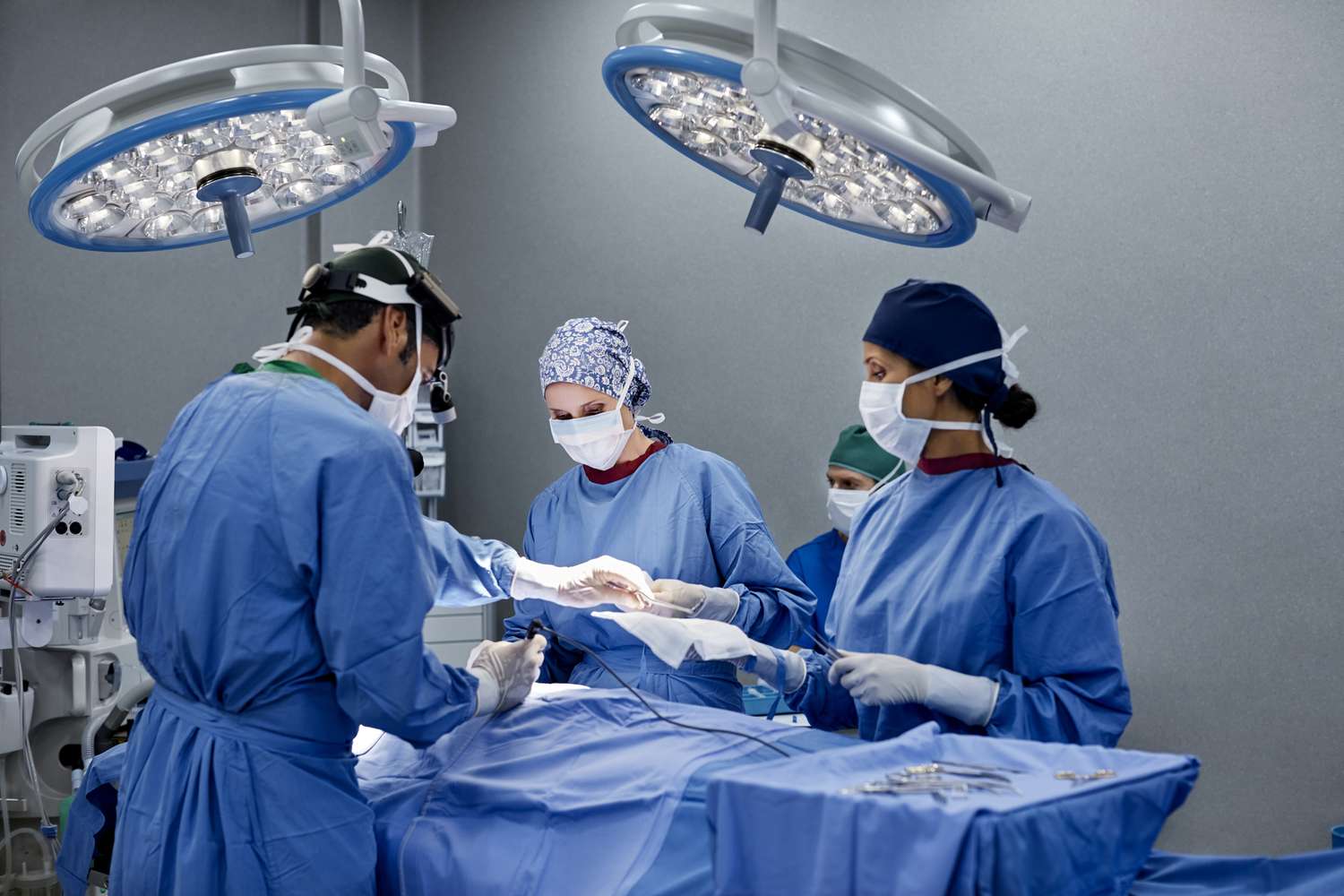
Preparation for Varicocele Removal typically begins with pre procedure instructions from the healthcare provider. Patients may be advised to avoid food or certain medications beforehand. During the procedure, anesthesia ensures comfort and minimizes pain. The surgeon carefully identifies and closes off affected veins while preserving healthy blood vessels. Most procedures are completed within a few hours. Afterward, patients are monitored briefly before being discharged. Understanding each step helps reduce anxiety and sets realistic expectations.
Recovery Timeline and Post Procedure Care
Recovery after Varicocele Removal varies based on the procedure performed. Mild swelling and discomfort are common during the first few days. Pain management usually involves prescribed or over the counter medications. Patients are often advised to avoid strenuous activity during early recovery. Gradual return to work and exercise is encouraged as healing progresses. Follow up visits help monitor recovery and ensure proper healing. Adhering to post procedure instructions significantly improves outcomes.
Benefits of Varicocele Removal for Fertility and Hormonal Health
One of the primary benefits of Varicocele Removal is its positive impact on fertility. Improved blood flow supports healthier sperm production and quality. Many patients experience improvements in sperm count and motility over time. Hormonal balance may also improve, particularly testosterone levels. Reduced pain and discomfort enhance overall quality of life. Emotional relief often accompanies physical improvement. These combined benefits make treatment a valuable option for long term reproductive health.
Potential Risks and Complications of Varicocele Removal
As with any medical procedure, Varicocele Removal carries some risks. Common short term effects include swelling, bruising, or mild pain. In rare cases, complications such as infection or fluid buildup may occur. Recurrence is possible but less likely with experienced surgical care. Choosing a qualified specialist reduces the risk of complications. Following aftercare guidelines supports safe recovery. Understanding potential risks allows patients to make informed decisions.
Long Term Outlook After Varicocele Removal
Most individuals enjoy lasting improvements following Varicocele Removal. Fertility gains often become noticeable within several months. Pain relief is typically long lasting when recovery guidelines are followed. Maintaining a healthy lifestyle supports long term success. Periodic monitoring ensures continued testicular health. Age and overall health can influence outcomes. Long term outlook is generally positive for those who receive timely treatment.
Choosing the Right Specialist for Varicocele Removal
Selecting an experienced specialist is essential for successful Varicocele Removal. A qualified urologist can provide accurate diagnosis and recommend the best treatment approach. Patients should feel comfortable asking about experience and success rates. Advanced technology and personalized care improve outcomes. Understanding costs and insurance coverage helps avoid surprises. Proper consultation builds confidence in the treatment plan. Trust between patient and provider is a key factor in success.
Key Considerations Before Deciding on Varicocele Removal
Before proceeding with Varicocele Removal, patients should consider several important factors.
• Severity of symptoms and pain level
• Impact on fertility and family planning goals
• Type of procedure recommended
• Recovery time and lifestyle adjustments
• Experience of the medical provider
Taking time to evaluate these factors leads to better informed decisions. Clear communication with healthcare providers ensures expectations are aligned. Preparation enhances both physical and emotional readiness.
Frequently Asked Questions About Varicocele Removal
Is Varicocele Removal always necessary
Not all cases require treatment, especially if symptoms are mild and fertility is unaffected. Doctors recommend removal when pain or fertility issues are present.
How long does recovery usually take
Most patients return to normal activities within a few weeks, depending on the procedure and individual healing.
Can varicocele return after removal
Recurrence is uncommon but possible. Choosing an experienced specialist reduces this risk.
Does Varicocele Removal improve fertility
Many patients experience improved sperm quality and fertility outcomes after treatment.
Is the procedure painful
Pain is usually mild and manageable with medication during recovery.
Are there age limits for treatment
There are no strict age limits, but overall health and goals are considered when planning treatment.
Takeaway
Varicocele Removal is a proven and effective option for addressing pain, fertility challenges, and long term reproductive health concerns. With proper diagnosis, skilled medical care, and thoughtful recovery, patients can experience meaningful improvements in comfort and quality of life. Understanding the process empowers individuals to make confident, informed decisions about their health.