Understanding What Happens When a Cut Becomes Infected
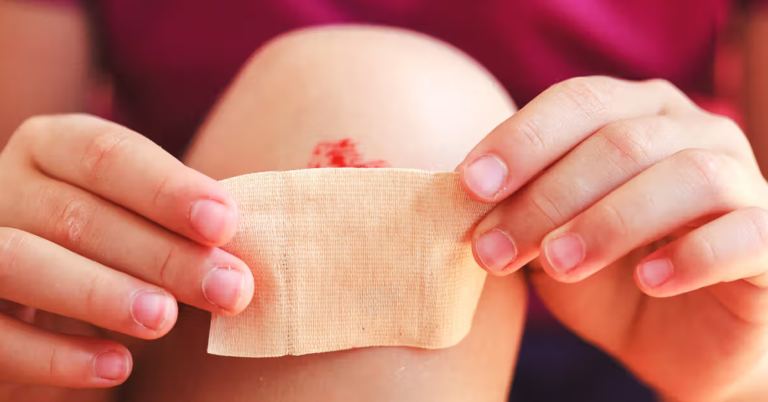
A cut on the skin may appear minor at first, yet it can quickly turn into a serious issue when bacteria enter the wound. The skin normally acts as a protective barrier, but once it is broken, germs from the environment can reach deeper layers of tissue. When this happens, the body activates its immune response, leading to redness, swelling, and warmth around the injured area. These reactions are meant to fight infection, but they can also signal that healing is not progressing as expected. Infected cut treatment becomes necessary when the immune response is overwhelmed or ineffective. Without proper care, bacteria can multiply and spread beyond the original wound site. Recognizing how infections develop helps people understand why timely medical attention matters.
Common Types of Cuts That Are More Prone to Infection
Not all cuts carry the same risk of infection, and some wounds require closer observation from the start. Deep cuts that extend into muscle or fat layers allow bacteria easier access to the body. Puncture wounds caused by nails, thorns, or sharp objects often trap germs deep inside, making them difficult to clean thoroughly. Cuts from dirty tools or outdoor accidents may introduce harmful microorganisms. Animal and human bites are also high risk because of bacteria present in saliva. Surgical incisions that reopen can become infected if healing is interrupted. Knowing which wounds are more vulnerable helps determine when infected cut treatment should be considered early rather than delayed.
Early Warning Signs That a Cut May Be Infected
In the early stages, an infected cut may show subtle symptoms that are easy to ignore. Mild redness that extends beyond the edges of the wound is often one of the first signs. Swelling and tenderness may increase instead of improving over time. The area might feel warm when touched, indicating inflammation beneath the skin. Some people notice a clear or cloudy fluid seeping from the cut. Pain that intensifies rather than fades can also signal infection. Early infected cut treatment can stop these symptoms from progressing. Paying attention to small changes in the wound can prevent serious complications.
Advanced Symptoms That Signal the Need for Urgent Infected Cut Treatment
When infection progresses, symptoms become more severe and harder to overlook. Thick discharge or pus with an unpleasant odor is a strong indicator that bacteria are actively multiplying. Severe pain that interferes with daily activities often suggests deeper tissue involvement. Fever or chills may develop as the body tries to fight the infection systemically. Red streaks spreading outward from the wound can indicate that bacteria are moving through the lymphatic system. Swollen lymph nodes near the affected area may also appear. These signs point to the need for urgent infected cut treatment from a specialist. Delaying care at this stage increases the risk of serious health consequences.
Risks of Delaying Professional Infected Cut Treatment
Ignoring an infected cut or relying solely on home remedies can lead to significant problems. Infection can spread to surrounding skin and deeper tissues, causing cellulitis or abscess formation. In severe cases, bacteria may enter the bloodstream, leading to life threatening conditions. Healing time often becomes much longer when treatment is delayed. Scarring and permanent tissue damage are more likely when infection is not addressed promptly. Pain and discomfort can also intensify over time. Seeking infected cut treatment early reduces these risks and supports better recovery outcomes.
When At Home Care Is No Longer Enough
Basic wound care such as cleaning and covering a cut is often effective for minor injuries. However, there are times when these measures are not sufficient. Repeated reopening of a wound can introduce new bacteria each time. Over the counter ointments may not target the specific bacteria causing the infection. If symptoms persist despite proper care, professional evaluation is necessary. Signs of worsening infection should not be dismissed as normal healing. Knowing when to move beyond home care is essential for effective infected cut treatment. Prompt medical attention can prevent complications that home remedies cannot address.
Who Qualifies as a Specialist for Infected Cut Treatment
Different healthcare professionals play roles in managing infected wounds. Urgent care physicians are trained to assess and treat many types of infected cuts. Dermatologists may be involved when skin infections are complex or recurring. Surgeons or wound care specialists are often needed for deep or severe infections. These specialists evaluate wound depth, tissue damage, and infection severity. They can determine whether drainage, debridement, or advanced therapies are required. Accessing the right specialist ensures appropriate infected cut treatment. Specialized care often leads to faster and safer healing.
What to Expect During a Specialist Visit for an Infected Cut
A visit to a specialist typically begins with a thorough examination of the wound. The provider will assess size, depth, and signs of infection. Cleaning the wound is often the first step to remove debris and bacteria. In some cases, draining accumulated fluid or pus may be necessary. Antibiotics may be prescribed based on the suspected or confirmed bacteria involved. Lab tests or cultures can help guide treatment decisions. Understanding the process can ease anxiety and encourage timely infected cut treatment.
Infected Cut Treatment Options Based on Severity
Treatment approaches vary depending on how advanced the infection is. Mild infections may respond well to topical medications and careful monitoring. Moderate infections often require oral antibiotics and regular follow up visits. Severe infections may need surgical intervention to remove infected tissue. Advanced dressings can support healing and protect the wound. Pain management and inflammation control are also important aspects of care. Completing the full course of prescribed treatment is essential. Proper infected cut treatment tailored to severity improves recovery and reduces recurrence.
Special Considerations for High Risk Individuals
Some people face higher risks when dealing with infected cuts. Individuals with diabetes often experience slower healing and reduced sensation, making infections harder to detect. Those with weakened immune systems may not fight bacteria effectively. Older adults and children can also be more vulnerable to complications. For these groups, early specialist involvement is especially important. Monitoring wounds closely helps identify problems sooner. Proactive infected cut treatment can prevent serious outcomes. Personalized care plans address the unique needs of high risk patients.
How to Reduce the Risk of Future Cut Infections
Preventing infection starts with proper wound care practices. Cleaning cuts promptly with clean water removes surface bacteria. Keeping wounds covered protects them from environmental exposure. Changing dressings regularly helps maintain a clean healing environment. Avoiding activities that reopen wounds supports uninterrupted healing. Monitoring progress allows early detection of infection. Knowing when to seek medical advice is part of prevention. Consistent care reduces the need for future infected cut treatment.
Key Signs That Indicate You Should Seek a Specialist
Recognizing when to seek urgent care can make a critical difference. Below are important indicators that professional infected cut treatment is needed.
• Increasing redness or swelling around the wound
• Persistent or worsening pain
• Pus or unusual discharge
• Fever or chills
• Red streaks spreading from the cut
• Delayed healing despite proper care
These signs should prompt immediate evaluation by a qualified healthcare provider.
Frequently Asked Questions About Infected Cut Treatment
How long does an infected cut take to heal with treatment?
Healing time depends on severity, location, and individual health factors. Mild infections may improve within days, while severe cases can take weeks. Following medical advice supports faster recovery.
Can an infected cut heal without antibiotics?
Some minor infections may resolve with proper cleaning and care, but many require antibiotics. A specialist can determine the best approach for infected cut treatment.
When should a child infected cut be seen by a specialist?
Children should be evaluated promptly if signs of infection appear or if the wound is deep. Early care helps prevent complications and supports safe healing.
Is redness always a sign of infection?
Redness can be part of normal healing, but spreading or worsening redness often signals infection. Monitoring changes helps determine when care is needed.
What happens if an infected cut is left untreated for too long?
Untreated infections can spread, cause tissue damage, and lead to serious health issues. Timely infected cut treatment reduces these risks.
Takeaway
Knowing when to seek urgent infected cut treatment from a specialist protects both short term comfort and long term health. Cuts that show worsening symptoms, fail to heal, or affect high risk individuals deserve prompt professional care. Early recognition, proper treatment, and preventive practices work together to support safe healing.