Understanding General Orthopedics and Its Role in Healthcare
General Orthopedics is a medical field dedicated to diagnosing, treating, and managing conditions that affect the musculoskeletal system. This includes bones, joints, muscles, tendons, ligaments, and related structures that support movement and stability. The role of General Orthopedics is essential because mobility plays a major role in daily comfort, independence, and overall quality of life. People of all ages rely on orthopedic care for injury recovery, pain relief, and preventive support. From mild discomfort to complex mobility limitations, General Orthopedics provides a broad foundation of care. It bridges preventive strategies and medical interventions to support functional movement. This field also emphasizes restoring strength, flexibility, and confidence in physical activity.
Conditions Commonly Managed in General Orthopedics
General Orthopedics addresses a wide range of musculoskeletal conditions that affect daily movement and comfort. Common concerns include joint pain, stiffness, swelling, and limited range of motion. Many individuals seek care for arthritis, tendon irritation, muscle strain, or ligament damage. Fractures and bone injuries are also routinely evaluated and treated by orthopedic specialists. Sports related injuries such as sprains and overuse conditions often fall under this scope of care. Chronic pain in the back, shoulders, knees, or hips may also require orthopedic evaluation. Early management helps prevent worsening symptoms and promotes faster recovery.
The Anatomy Focus of General Orthopedics
General Orthopedics focuses on how different parts of the musculoskeletal system work together to support movement. Bones provide structure and protection, while joints allow flexibility and motion. Muscles generate force, and tendons connect muscles to bones to enable movement. Ligaments stabilize joints and help maintain proper alignment. Nerves interact closely with muscles to coordinate strength and control. Posture and body mechanics also play an important role in orthopedic health. Understanding this interconnected system allows orthopedic providers to treat the root cause of pain rather than just surface symptoms.
Diagnostic Approaches Used in General Orthopedics
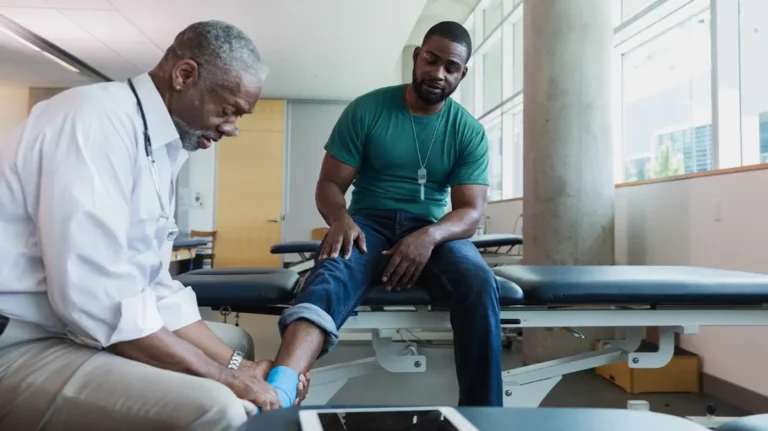
Accurate diagnosis is a critical part of effective orthopedic care. Providers begin with a detailed medical history to understand symptoms, activity levels, and lifestyle factors. Physical examinations assess strength, flexibility, joint stability, and movement patterns. Imaging tools such as X rays and advanced scans help visualize bone and soft tissue structures. Functional tests may be used to evaluate balance and coordination. Early detection of musculoskeletal issues can prevent long term complications. A thorough diagnostic process allows for personalized treatment planning that fits individual needs.
Non Surgical Treatments in General Orthopedics
Many orthopedic conditions can be managed without surgical procedures. Conservative care often focuses on reducing pain, improving mobility, and strengthening supportive tissues. Treatment plans are tailored based on severity and patient goals. Common non surgical approaches include the following bullet points.
● Physical therapy programs to improve strength and flexibility
● Activity modification to reduce strain on affected areas
● Pain management techniques guided by medical evaluation
● Supportive devices such as braces or orthotics
● Therapeutic exercises to enhance joint stability
These options allow many patients to recover effectively while avoiding invasive procedures. Ongoing monitoring ensures progress remains on track.
Surgical Interventions Within General Orthopedics
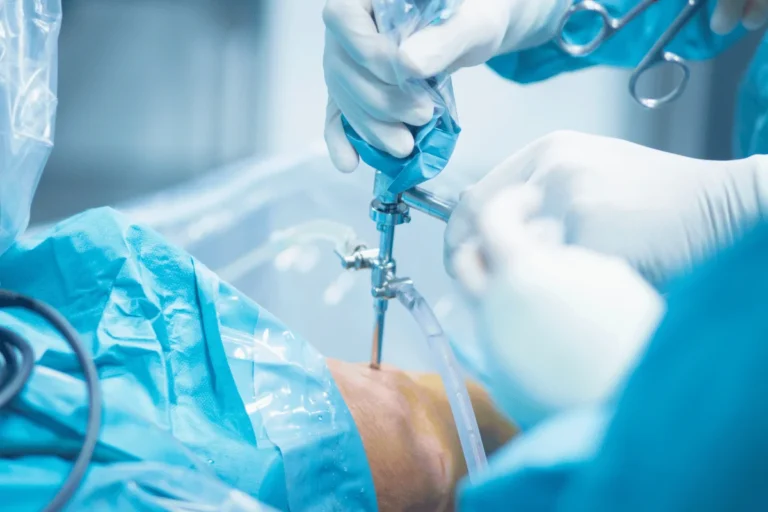
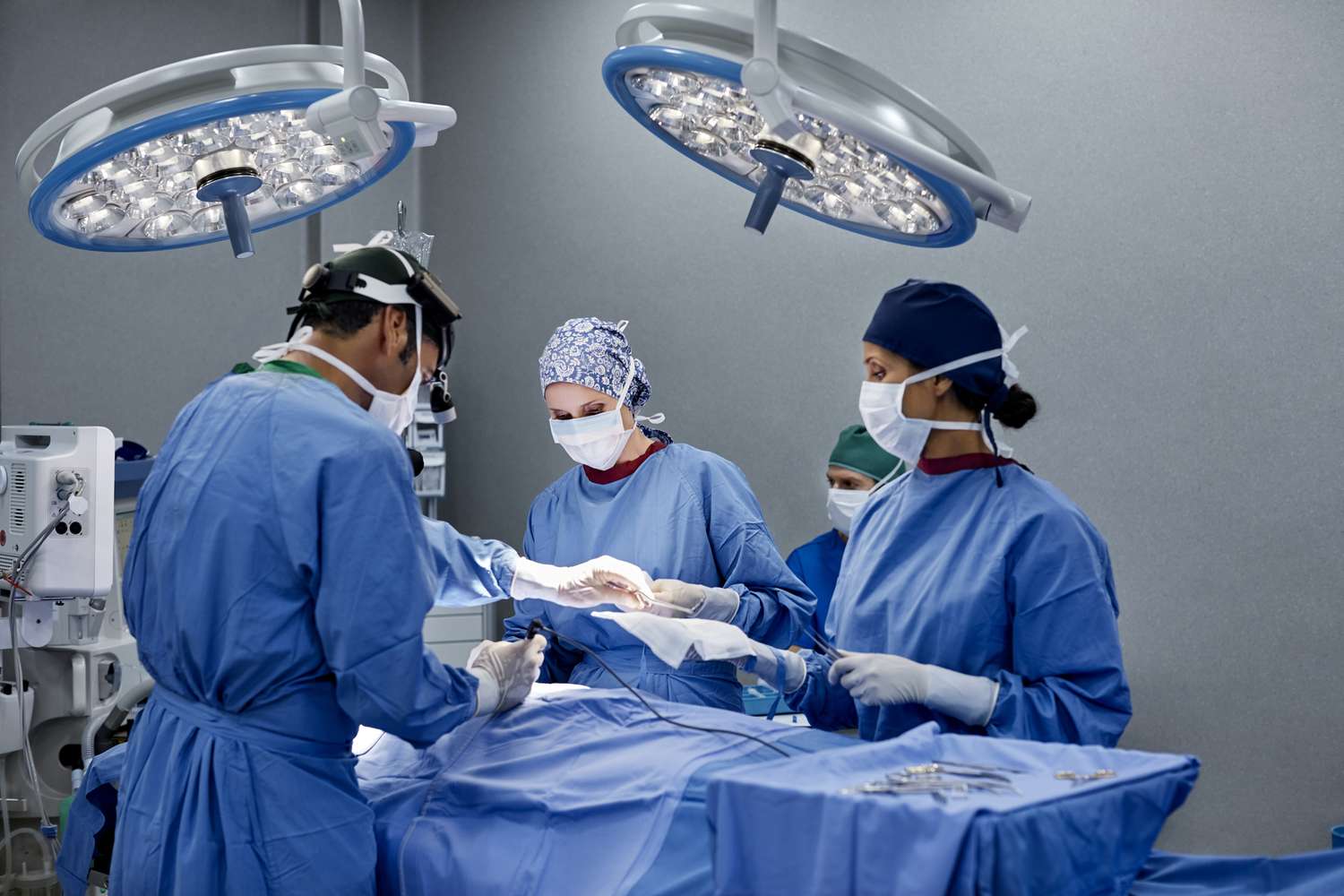
Surgery is considered when conservative treatments do not provide sufficient relief. General Orthopedics includes a variety of surgical procedures aimed at restoring function and reducing pain. These procedures may involve repairing damaged tissue, stabilizing joints, or correcting alignment issues. Advances in medical technology have improved precision and recovery outcomes. Patients receive thorough education about expected results and recovery timelines. Post procedure care focuses on rehabilitation and gradual return to activity. Surgical decisions are always guided by patient safety and long term benefit.
General Orthopedics and Preventive Care
Preventive care is a vital component of General Orthopedics. Maintaining joint health reduces the risk of injury and chronic pain. Providers often recommend strengthening exercises and proper movement techniques. Ergonomic adjustments at work and home can minimize strain on muscles and joints. Nutrition also plays a role in supporting bone strength and tissue repair. Preventive strategies help individuals stay active and independent longer. Consistent care supports mobility throughout different stages of life.
Pediatric and Geriatric Considerations in General Orthopedics
General Orthopedics serves both younger and older populations with specialized attention. Children may experience growth related concerns that affect posture or joint alignment. Early evaluation helps address these issues before they progress. Older adults often face joint degeneration or reduced bone density. Orthopedic care for aging individuals focuses on mobility preservation and fall prevention. Treatment plans are adjusted based on physical ability and overall health. Age specific care ensures safety and effective outcomes. Supporting movement across the lifespan remains a core goal.
Rehabilitation and Long Term Recovery in General Orthopedics
Rehabilitation plays a central role in orthopedic recovery. After treatment, patients follow structured programs to restore strength and function. These programs focus on gradual progress and injury prevention. Education helps patients understand proper movement and self care techniques. Monitoring ensures that recovery stays aligned with medical guidance. Long term recovery emphasizes maintaining gains achieved during treatment. Consistency and commitment are key factors in successful outcomes.
Choosing the Right General Orthopedic Provider
Selecting a qualified provider is an important step in orthopedic care. Patients should look for training, experience, and clear communication. A good provider listens to concerns and explains options thoroughly. Access to diagnostic tools and rehabilitation services enhances care quality. Continuity of care supports better long term results. Trust and comfort play a role in successful treatment relationships. The right provider becomes a partner in musculoskeletal health.
The Evolving Field of General Orthopedics
General Orthopedics continues to evolve with advancements in medical science. Improved imaging technology allows for more accurate diagnoses. Treatment methods are becoming more personalized and patient centered. Digital tools support education and follow up care. Research continues to refine best practices for pain management and recovery. These developments improve patient experiences and outcomes. The field remains focused on restoring movement and improving quality of life.
Frequently Asked Questions About General Orthopedics
What conditions are treated in General Orthopedics
General Orthopedics treats bone, joint, muscle, tendon, and ligament conditions that affect movement and stability.
When should someone see a General Orthopedic provider
Persistent pain, limited mobility, or injury related discomfort are common reasons to seek care.
Can General Orthopedics help prevent surgery
Yes many conditions improve with non surgical treatment plans and early intervention.
Is General Orthopedics suitable for chronic pain
Orthopedic care often addresses chronic musculoskeletal pain through targeted treatment strategies.
Does General Orthopedics support long term mobility
Yes preserving and restoring mobility is a central focus of orthopedic care.
Takeaway
General Orthopedics plays a vital role in maintaining healthy movement and physical independence. Through accurate diagnosis, personalized treatment, and preventive strategies, it supports people at every stage of life. Whether addressing injury, managing pain, or promoting mobility, orthopedic care offers practical solutions grounded in medical expertise. Early attention and consistent care can significantly improve comfort and function. Investing in musculoskeletal health supports a more active and confident lifestyle.