
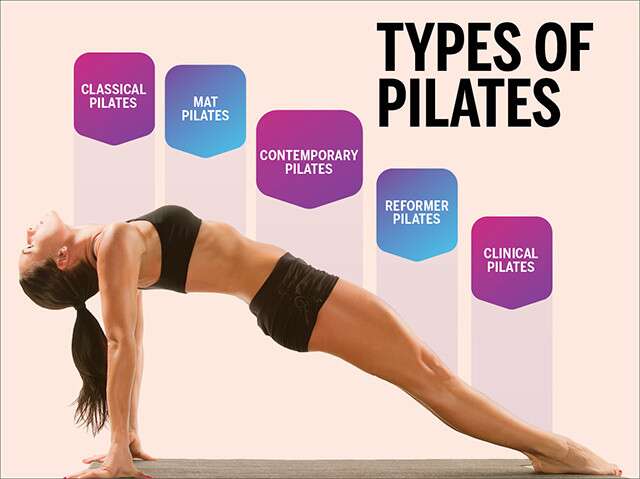
Therapeutic Pilates is a system of exercise that combines controlled movement, mindful breathing, and body awareness to improve strength, flexibility, balance, and posture. Developed by Joseph H. Pilates, a German-born athlete, this method blends principles from Eastern and Western approaches to physical and mental wellness. Unlike traditional Pilates, therapeutic Pilates is specifically adapted for rehabilitation, injury recovery, and functional improvement. It emphasizes safe, progressive exercises that focus on healing, alignment, and long-term mobility.
At Osteopractic Physical Therapy of Central Indiana (OPTCI), licensed physical therapists guide patients through therapeutic Pilates programs designed to address individual needs. Each session is tailored to your orthopedic history, current fitness level, and rehabilitation goals. Therapeutic Pilates allows individuals to move confidently while strengthening their core and promoting overall wellness.
Key Benefits of Therapeutic Pilates
Therapeutic Pilates offers a wide range of benefits for both physical and mental health.
Physical Benefits
Therapeutic Pilates focuses on strengthening the core, which is essential for stability and overall body function. Core strength supports the spine and joints, reducing strain and the risk of injury. Improved posture and alignment naturally follow as muscles develop balance and coordination. Flexibility and joint mobility are enhanced through controlled stretching and dynamic movement, making daily activities easier and more efficient.
Balance and stability also improve, which is particularly important for older adults or individuals recovering from injuries. Each exercise in therapeutic Pilates is designed to engage multiple muscle groups while promoting fluid and safe movement patterns. These exercises help reduce chronic pain, improve functional capacity, and increase endurance over time.
Health Benefits
Therapeutic Pilates contributes to better circulation, lung capacity, and cardiovascular health through mindful breathing and controlled movements. This approach encourages proper oxygen intake and supports overall cardiovascular efficiency. Patients often notice a decrease in tension and discomfort in areas such as the lower back, neck, and shoulders as muscles are strengthened and posture improves.
For individuals undergoing physical therapy, therapeutic Pilates can enhance recovery. Performing therapeutic Pilates alongside traditional therapy sessions accelerates healing, improves functional strength, and supports tissue repair. Once physical therapy concludes, continued practice helps maintain progress, reduces the likelihood of reinjury, and improves long-term wellness.
Psychological Benefits
Mind-body connection is a core component of therapeutic Pilates. Awareness of how the body moves, stretches, and strengthens promotes mindfulness and confidence. Many patients report a greater sense of control over their body, improved focus, and reduced stress. Posture improvements from therapeutic Pilates also contribute to a positive self-image and increased confidence in everyday activities.
How Therapeutic Pilates Works at OPTCI
At OPTCI, therapeutic Pilates sessions are led by licensed physical therapists with expertise in both rehabilitative care and fitness-based Pilates. Each program begins with a thorough evaluation of your orthopedic history, current activity levels, and any specific concerns. This information allows therapists to design a personalized plan that addresses your unique needs.
Therapeutic Pilates exercises progress gradually, starting with gentle movements to ensure proper form and alignment. Patients learn how to engage their core muscles, maintain proper posture, and breathe effectively throughout each exercise. The therapist monitors every session closely, ensuring exercises remain within a safe range while still challenging the patient to improve strength, mobility, and stability.
For patients recovering from injuries or surgery, therapeutic Pilates can be integrated with other physical therapy treatments. This combined approach not only enhances recovery but also teaches patients how to maintain strength and flexibility after therapy concludes.
What to Expect During Your First Session
Your first therapeutic Pilates session is designed to be approachable and informative. The therapist begins by discussing your medical history, past injuries, and any current physical challenges. This ensures that exercises are tailored to your individual needs and limitations.
Initial sessions focus on gentle exercises to introduce you to therapeutic Pilates. You will learn proper breathing techniques, core engagement, and postural alignment. The therapist will provide guidance and adjustments to ensure that movements are performed safely and effectively.
Therapeutic Pilates encourages gradual progression, so exercises will become more challenging as your strength, flexibility, and confidence improve. Each session is structured to maximize benefits while minimizing the risk of injury. Patients often leave their first session feeling more aware of their body and motivated to continue with the program.
Who Can Benefit From Therapeutic Pilates
Therapeutic Pilates is suitable for a wide range of individuals, including those recovering from injuries, managing chronic pain, or seeking to improve overall health and mobility.
Patients recovering from orthopedic injuries, joint replacements, or post-surgical conditions can benefit greatly from therapeutic Pilates. The exercises support rehabilitation by improving strength, flexibility, and alignment while promoting safe, functional movement.
Individuals experiencing chronic pain, such as lower back discomfort, neck tension, or joint stiffness, often find relief through therapeutic Pilates. Strengthening supporting muscles and improving posture can alleviate stress on affected areas and enhance daily comfort.
Therapeutic Pilates is also ideal for older adults or individuals looking for low-impact exercise that supports balance, stability, and overall physical function. Even those without injuries can benefit from a program designed to improve core strength, posture, and flexibility, making daily activities easier and reducing the risk of future injuries.
Why Choose OPTCI for Therapeutic Pilates
Choosing OPTCI for therapeutic Pilates ensures guidance from licensed physical therapists with specialized training in both rehabilitation and Pilates. Each session is private, allowing for a personalized approach that focuses on your goals, abilities, and safety.
The OPTCI team takes a collaborative approach, integrating therapeutic Pilates with other treatments when appropriate. This method allows patients to recover efficiently, improve function, and maintain progress long after therapy concludes. Patients also appreciate the supportive environment at OPTCI, where professional guidance and personalized attention create a motivating and safe space to achieve wellness goals.
Tips for Getting the Most Out of Therapeutic Pilates
Consistency is key when practicing therapeutic Pilates. Attending sessions regularly allows for steady progress and helps maintain gains in strength, flexibility, and posture.
Proper breathing and engagement of the core muscles are critical for maximizing benefits. Focus on technique rather than speed or intensity to avoid injury and ensure each movement has the intended effect.
Combine therapeutic Pilates with other recommended wellness practices, such as stretching, hydration, and light cardio, to support overall health. Monitor progress and communicate with your therapist to adjust exercises as needed for continued improvement.
Takeaway
Therapeutic Pilates is a powerful tool for improving strength, mobility, posture, and overall wellness. At OPTCI, licensed physical therapists provide personalized guidance to ensure every session is safe, effective, and tailored to individual goals. Whether recovering from injury, managing chronic pain, or seeking low-impact exercises to strengthen the body, therapeutic Pilates can support long-term health and functional movement. Scheduling a private session allows patients to experience the benefits firsthand, learn proper techniques, and develop a routine that promotes healing and strength.
Therapeutic Pilates at OPTCI offers a path to better body awareness, improved mobility, and a healthier, more balanced lifestyle.
Frequently Asked Questions About Therapeutic Pilates
What is the difference between therapeutic Pilates and traditional Pilates?
Therapeutic Pilates focuses on rehabilitation, injury prevention, and functional improvement, while traditional Pilates is often more fitness-oriented. Therapeutic Pilates is tailored to individual needs and may be integrated with physical therapy.
Can anyone practice therapeutic Pilates?
Yes, therapeutic Pilates is suitable for a wide range of individuals, including those recovering from injuries, managing chronic pain, or seeking low-impact exercises to improve core strength, balance, and flexibility.
How long before I notice results from therapeutic Pilates?
Many patients notice improvements in posture, flexibility, and body awareness within a few sessions. Strength, balance, and mobility continue to improve with consistent practice over weeks and months.
Do I need prior experience to start therapeutic Pilates?
No prior experience is required. Each session is guided by a licensed physical therapist who will ensure exercises are safe, effective, and appropriate for your ability level.
Can therapeutic Pilates help with injury recovery?
Yes, therapeutic Pilates can complement physical therapy by improving strength, alignment, flexibility, and stability, which supports healing and reduces the risk of reinjury.
What should I wear to a therapeutic Pilates session?
Wear comfortable, flexible clothing that allows for movement. Avoid overly loose garments that could interfere with exercises.
Is therapeutic Pilates safe for older adults?
Absolutely. Therapeutic Pilates is low-impact, adaptable, and focuses on strength, balance, and mobility, making it an excellent choice for older adults.